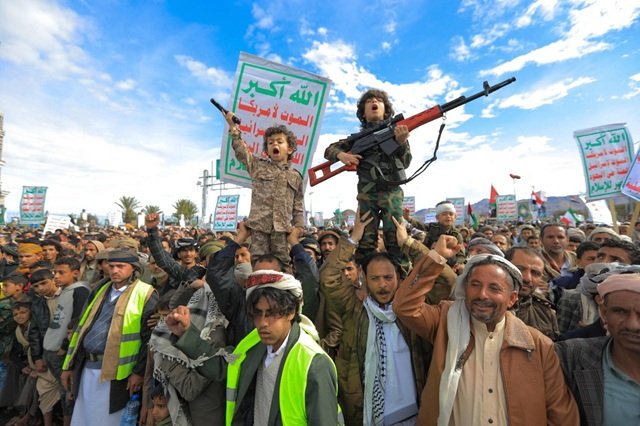
Iran-backed Houthi militants have formally entered the escalating regional war, launching ballistic missile attacks toward Israel over the weekend and opening a dangerous new front in a conflict that is already destabilizing the Middle East and global energy markets. The group, known as Houthis, said it would continue operations until U.S. and Israeli strikes on Iran and its allied forces come to an end.
The Israeli military confirmed it had intercepted at least one missile launched from Yemen, as tensions surged across multiple fronts. The Houthis also claimed additional attacks using cruise missiles and drones, signaling a sustained campaign. Their involvement raises the risk of further disruption in critical maritime routes, particularly around the Red Sea and the Bab el-Mandeb Strait, where the group has previously targeted shipping lanes.
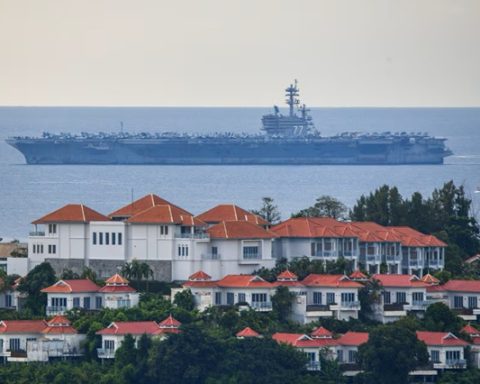
Meanwhile, the United States has significantly increased its military presence in the region, deploying approximately 3,500 additional personnel aboard an amphibious assault ship. The move comes amid intensifying hostilities between Israel and Iran, with both sides continuing to exchange strikes. Iranian attacks have reportedly wounded multiple American troops, including a significant strike on Prince Sultan Air Base in Saudi Arabia.
The widening conflict is now affecting multiple countries across the Gulf. The United Arab Emirates reported fires at a major industrial site in Abu Dhabi following missile interceptions, while Kuwait’s airport sustained damage from drone attacks. In Oman, drone strikes disrupted operations at the port of Salalah, underscoring the geographic spread of the confrontation.
Iran has framed its actions as retaliation for joint U.S.-Israeli strikes on its nuclear and industrial infrastructure, including facilities linked to the Arak nuclear complex. The escalation has caused significant casualties and destruction, with over 4,500 people reported dead across the region. The majority of fatalities have occurred in Iran, while heavy losses and displacement continue in Lebanon and other affected areas.
The conflict is also rattling global energy markets. With the Strait of Hormuz—one of the world’s most critical النفط transit chokepoints—largely closed, oil prices have surged sharply. Brent crude has risen above $112 per barrel, reflecting growing fears of prolonged supply disruptions and broader economic fallout, including inflation and slower global growth.
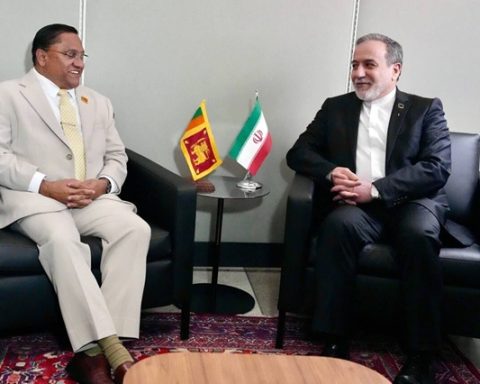
Despite the intensifying violence, diplomatic efforts are continuing behind the scenes. Pakistan has emerged as a key mediator, facilitating discussions and offering to host potential negotiations between the United States and Iran. Leaders from several regional powers, including Saudi Arabia, Turkey, and Egypt, are gathering to explore de-escalation strategies.
However, prospects for peace remain uncertain. Donald Trump has extended a deadline for Iran to negotiate but continues to warn of further military action. Iran, for its part, is demanding reparations, security guarantees, and recognition of its strategic interests in the region before engaging in talks.
As military operations intensify and new actors join the battlefield, the conflict shows little sign of slowing. The entry of the Houthis marks a critical turning point, raising the likelihood of a prolonged and increasingly complex war with far-reaching consequences for regional stability and the global economy.