A dramatic confrontation at the United Nations Security Council has underscored the growing risk of a wider international crisis, as Russia and China vetoed a resolution condemning Iran’s closure of the Strait of Hormuz, one of the world’s most critical oil chokepoints. The move has revealed deep geopolitical divisions at a moment when tensions are already approaching a breaking point.
The resolution, backed by Bahrain and several Gulf states, sought to declare Iran’s actions a threat to international peace and security. It called for an immediate halt to threats against freedom of navigation, the protection of shipping lanes, and coordinated efforts to ensure the safe passage of commercial vessels through the strait. According to reporting referenced by Haaretz, the measure had already been significantly weakened in an effort to avoid a veto.
Despite these concessions, the proposal failed. Of the 15 Security Council members, 11 voted in favor, while Pakistan and Colombia abstained. The decisive opposition came from Russia and China, both permanent members with veto power, effectively blocking the resolution’s adoption.
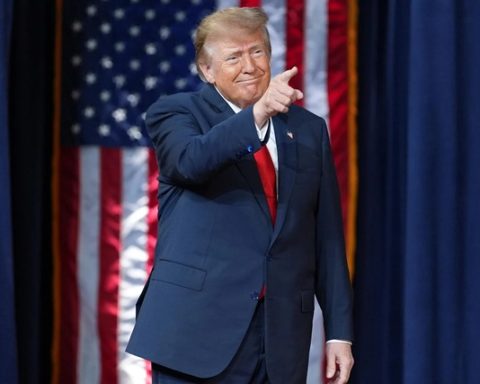
The timing of the vote added urgency to an already volatile situation. It came just hours before a deadline set by former U.S. President Donald Trump, who warned that Iran must reopen the strategic waterway or face potential attacks on key infrastructure, including power plants and bridges. The looming threat of military escalation has heightened concerns that the crisis could spiral beyond diplomatic control.
Originally, the draft resolution contained far stronger language. Early versions included authorization for countries to use “all necessary means” to ensure transit through the Strait of Hormuz, a phrase widely understood within UN terminology to permit military action. However, in an effort to secure broader support, that language was removed. The final text instead encouraged defensive coordination among nations relying on the strait, through which roughly one-fifth of the world’s oil supply passes.
Even this softened approach proved unacceptable to Moscow and Beijing. Both countries argued that the resolution unfairly targeted Iran and failed to reflect the broader geopolitical context. China’s UN envoy Fu Cong warned that adopting such a measure while the United States was issuing threats against Iran would send the wrong message. Russia’s ambassador, Vasily Nebenzya, echoed these concerns and indicated that Moscow and Beijing would propose an alternative resolution addressing maritime security and the wider Middle East situation.
Iran welcomed the vetoes. Its UN ambassador, Amir Saeid Iravani, praised Russia and China for preventing what he described as an attempt to misuse the Security Council to legitimize aggression. He also noted that diplomatic efforts were ongoing, with a UN envoy traveling to Tehran for consultations.
The reaction from Gulf states was swift and critical. The United Arab Emirates expressed deep regret over the council’s failure to act, warning that the lack of a unified international response could embolden further disruptions to global shipping. Officials signaled that regional powers would continue to push for measures to restore safe navigation through the strait.
From Washington, the response was sharply condemnatory. U.S. Ambassador to the United Nations Mike Waltz described the vetoes as “a new low,” accusing Russia and China of siding with Iran at the expense of global stability. He emphasized that the closure of the Strait of Hormuz was already having far-reaching humanitarian consequences, disrupting the flow of medical aid and essential supplies to crisis zones in places such as the Congo, Sudan, and Gaza.
Waltz framed the crisis as not only a regional dispute but a direct threat to the global economy. By restricting access to a route that carries a significant portion of the world’s oil, Iran, he argued, was effectively holding international trade “at gunpoint.” He called on other nations to join efforts to secure the waterway and ensure it remains open to lawful commerce and humanitarian shipments.
Israel’s ambassador to the UN, Danny Danon, noted that while the resolution failed, the overwhelming support it received demonstrated a broad international commitment to maintaining freedom of navigation. Still, the inability to translate that support into action highlighted the limitations of the Security Council in moments of deep geopolitical division.
This is not the first time such efforts have faltered. Just days earlier, another initiative by Arab states seeking authorization for military action to reopen the strait was also blocked, with Russia, China, and France opposing any language that could legitimize the use of force against Iran. Together, these repeated failures point to a growing paralysis within the UN’s most powerful body.
As diplomatic efforts stall, the stakes continue to rise. The Strait of Hormuz remains a vital artery for global energy supplies, and any prolonged disruption could trigger economic shockwaves far beyond the Middle East. At the same time, increasingly aggressive rhetoric, combined with military posturing on multiple sides, raises the specter of a broader conflict.