A growing number of countries across the world are moving to restrict or outright ban social media access for children and teenagers, marking one of the most significant global regulatory shifts in the history of digital platforms. Over the past several months, governments from multiple continents have announced or advanced legislation aimed at limiting access to major social media services for users typically under the age of 15 or 16.
Australia has led the way, becoming the first country to formally implement a nationwide ban on social media use for children under 16 in December 2025. The restrictions apply to platforms including Facebook, Instagram, Snapchat, TikTok, X, YouTube, Reddit, Twitch, and Kick, while exempting services such as WhatsApp and YouTube Kids. The policy requires tech companies to actively prevent underage access using robust age-verification systems, with penalties of up to tens of millions of dollars for non-compliance.
Following Australia’s move, several countries have introduced similar or pending legislation. Austria is preparing a ban for users under 14, with draft laws expected to be finalized soon. Denmark has reached political agreement on restricting social media access for children under 15, with implementation potentially beginning in 2026 and supported by new digital age-verification tools under development by the government.
France has already passed legislation through its lower house to prohibit social media use for children under 15, though the measure still requires approval by the Senate. President Emmanuel Macron has publicly backed the initiative, framing it as part of broader efforts to reduce excessive screen time and protect minors.
Germany is also actively debating restrictions, with proposals under consideration to ban social media access for children under 16. However, internal political divisions have raised uncertainty about whether a full ban will be adopted.
In Greece, lawmakers have announced plans to implement a ban for users under 15 beginning in 2027, citing concerns over rising anxiety, sleep disruption, and the addictive design of social platforms. Similarly, Indonesia has moved forward with restrictions targeting users under 16 across major platforms such as TikTok, Instagram, Facebook, and YouTube, expanding the scope of regulation beyond traditional social media to include interactive online services.
Malaysia has also signaled plans for a ban on social media use for children under 16, with implementation expected in the near term. In Eastern Europe, Poland and Slovenia are drafting legislation that would impose similar age limits, focusing on platforms such as TikTok, Snapchat, and Instagram.
Spain has announced its intention to prohibit social media access for users under 16, pending parliamentary approval, alongside proposals that would increase accountability for social media executives regarding harmful content. Turkey has already passed a bill restricting access for children under 15, awaiting final approval from the president.
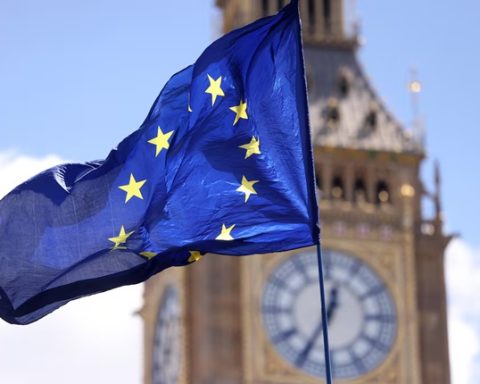
In the United Kingdom, policymakers are still evaluating whether to introduce a formal ban for users under 16, alongside potential measures to reduce addictive platform features such as infinite scrolling.
The wave of proposed restrictions reflects growing global concern over the impact of social media on young people, including issues such as cyberbullying, addiction, exposure to harmful content, and mental health challenges. However, the measures have also sparked significant criticism from digital rights groups, who argue that such bans may be difficult to enforce and could lead to invasive age verification systems and expanded government oversight of online activity.
Organizations such as Amnesty Tech have warned that restrictions alone may not address underlying platform design issues or the realities of youth digital behavior. Despite these concerns, governments continue to advance legislation, signaling a coordinated international shift toward stricter regulation of children’s access to social media.