Around 3.7 million children in Afghanistan are suffering from acute malnutrition, with the condition threatening the lives of one million of them, according to the UN children’s agency UNICEF. Tajudeen Oyewale, UNICEF’s representative for Afghanistan, warned that the most severely affected children could die without treatment and rapid intervention.
“One million children are affected by severe acute malnutrition, which puts their lives at risk,” Oyewale said. “Without treatment and if we cannot intervene quickly, these one million children are at risk of dying.”
The warning comes as Afghanistan’s healthcare system faces mounting pressure from the number of malnourished children requiring medical care. UNICEF said more than half a million affected children have been admitted to clinics since the beginning of the year. The number of children suffering from severe acute malnutrition accompanied by medical complications has risen by one-third in a year, increasing from 6,000 in July 2025 to 8,000 in July 2026.
Around 40 per cent of the children admitted for treatment are younger than six months, according to UNICEF, highlighting the scale of the crisis among some of the country’s youngest children.
The pressure is particularly acute in parts of southern Afghanistan. UNICEF said that in some hospitals, three or four severely malnourished children are now arriving for every available bed. At the same time, more than 100 centres providing treatment for severely malnourished children have already been forced to close this year because of a lack of funding.
Oyewale described the situation as a crisis that is continuing to worsen as financial resources fall short of what is required.
The emergency extends beyond children suffering from severe malnutrition. According to the World Food Programme, almost 14 million of Afghanistan’s total population of 45 million are facing hunger.
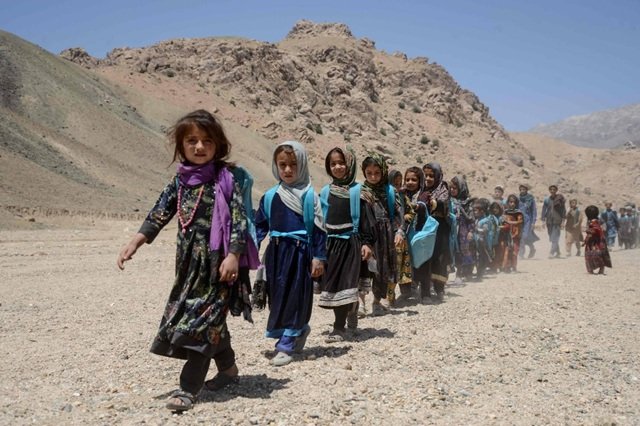
UNICEF said the causes of the crisis are multiple. Afghanistan has experienced several years of drought, followed by heavy rainfall and flash floods. The country has also faced a major return of displaced people: since 2023, six million people have returned to Afghanistan, more than half of them children.
The reduction in humanitarian assistance has added further pressure. With the number of people requiring support increasing while resources remain limited, health services and programmes treating malnutrition are struggling to meet demand.
The scale of the funding gap is particularly stark in UNICEF’s own nutrition programme. The organisation requires around US$180 million, or approximately €154 million, for its Afghanistan programme this year. So far, however, only one-fifth of that amount has been secured.
The shortfall threatens the capacity to provide treatment at a time when hospitals are already reporting increasing numbers of children with severe acute malnutrition and related medical complications. The closure of more than 100 treatment centres has further reduced the available capacity.
For UNICEF, the immediate concern is the one million children whose condition is already severe enough to put their lives at risk. The agency’s warning places the availability of treatment at the centre of an emergency in which hunger, environmental shocks, population movements and declining aid are combining to put growing pressure on Afghanistan’s health system.
The figures also show how quickly the situation has deteriorated. In July 2025, 6,000 children with severe acute malnutrition and medical complications were being treated in the affected facilities. By July 2026, that figure had reached 8,000, representing a one-third increase within a year.
With almost 14 million people facing hunger nationwide and millions of children already acutely malnourished, UNICEF says urgent intervention and additional funding are needed. Without sufficient treatment capacity and resources, the organisation warns, one million severely malnourished children face the danger of dying.