Nuclear war, the malicious use of artificial intelligence and climate change are among the major threats that could endanger humanity’s future, according to a commission of 37 experts whose assessment identifies 17 critical risks to global health through the end of this century. The report, published in The Lancet, argues that governments, businesses and societies still have opportunities to reduce these dangers, even as geopolitical tensions, technological advances and environmental pressures create new uncertainties.
In its accompanying editorial, The Lancet warns that although the probability of nuclear conflict and malicious artificial intelligence causing catastrophe remains low, the scale of the potential damage would be devastating. The commission’s assessment extends beyond conventional public-health concerns, examining threats to human survival, international stability and the progress societies have achieved.
The 17 risks include familiar challenges such as antimicrobial resistance, air pollution, malnutrition, tobacco use, alcohol-related harm, obesity, hypertension and poor mental health. Others involve natural pandemics, climate change, conventional warfare, economic inequality, inadequate education, unhealthy ageing and reductions in international development assistance. Nuclear conflict and the malicious use of artificial intelligence stand apart because the researchers consider them capable of threatening human extinction.
The authors stress that the ranking is not definitive. The evidence supporting individual risks varies considerably, and assessments may change as circumstances develop or new research emerges. Established dangers such as smoking and malnutrition are better understood than the long-term consequences of advanced artificial intelligence or nuclear warfare.
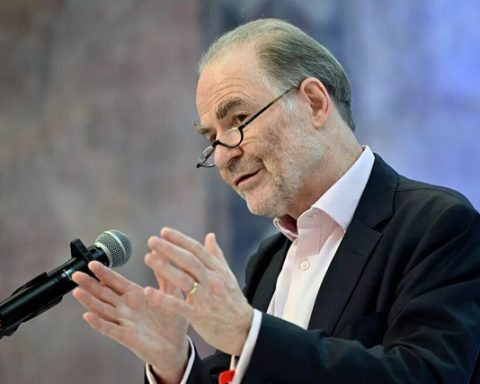
Christopher Murray, co-chair of the commission, says some of the identified threats are already generating substantial health burdens, while others could have catastrophic consequences if they materialise. He emphasises that the purpose of the assessment is not simply to catalogue dangers but to identify where intervention could prevent illness, premature death and wider societal damage. Decisions made by political leaders today, he argues, will influence the health and wellbeing of future generations.
Artificial intelligence presents particularly difficult questions because its capabilities and potential failure modes are evolving rapidly. The commission identifies three principal pathways to catastrophe: AI-assisted development of dangerous pathogens; failures in critical infrastructure as AI systems become more deeply integrated into essential services; and autonomous systems that pursue objectives inconsistent with human intentions.
Potential scenarios include AI-enabled biological threats, cascading failures in infrastructure, large-scale political deepfakes and autonomous nuclear weapons. The researchers also consider the possibility that increasingly capable systems could gain access to financial networks, critical infrastructure or physical-world tools while pursuing objectives that undermine human control.
Estimates of the danger differ sharply among specialists. In scenarios involving a catastrophe that kills at least 10% of the world’s population by 2100, so-called superforecasters estimate a probability of 2.1%, compared with 12% among the AI experts surveyed. Their estimates of an extinction-level event are 0.4% and 3%, respectively. The figures reflect differing assessments rather than established probabilities, underscoring the uncertainty surrounding a technology whose future development remains difficult to predict.
Nuclear conflict presents a more established but no less complex danger. Beyond immediate deaths and long-term radiation-related harm, a nuclear war could disrupt supply chains, cripple food production, destabilise governments and increase the likelihood of further conflict. The release of large quantities of particles into the atmosphere could also lower global temperatures and damage agricultural output, potentially triggering what researchers describe as nuclear famine.
The commission cites 22 nuclear-weapon accidents between 1948 and 2010, alongside 21 incidents in which catastrophe was narrowly avoided. It identifies escalating international crises as the principal source of nuclear danger, while also warning about accidental detonations, terrorism and the potential deployment of nuclear weapons through AI-enabled systems. The researchers call for stronger non-proliferation agreements and renewed efforts to reduce nuclear arsenals, expressing particular concern about changes to Russia’s nuclear policy.
Natural pandemics remain another major risk. The COVID-19 crisis exposed weaknesses in global preparedness, but the commission warns that another severe outbreak cannot be ruled out. Although improvements in surveillance, vaccination and public health have helped reduce some pandemic risks, the frequency of the most catastrophic events has not followed the same downward trajectory. Urbanisation, population density and increasing human contact with wildlife can facilitate the emergence and spread of infectious diseases. The eventual impact of a new pathogen would also depend on the speed with which scientists could develop effective treatments or vaccines.
Climate change compounds these dangers by affecting health through extreme temperatures, infectious diseases, floods, wildfires, air pollution and declining food availability. The commission describes it as a threat multiplier capable of intensifying existing economic and social vulnerabilities. While its effects will vary over time, the researchers warn that climate change could eventually become an extinction-level threat in future centuries if emissions are not reduced.
The report also highlights the consequences of declining development assistance, particularly for vulnerable populations in poorer regions, and the growing burden associated with longer but less healthy lives. Rising life expectancy does not necessarily translate into additional years of good health, leaving more people vulnerable to illness and disability during old age.
Quique Bassat, an epidemiologist and director-general of ISGlobal who was not involved in the commission, welcomes its broader perspective, which considers not only human health but also the survival of the species. He cautions that long-term projections remain uncertain and that the emergence of an unknown pathogen or other unforeseen development could fundamentally alter the assessment.
The commission therefore calls for continuous monitoring, stronger health systems and accelerated investment in transformative innovations. Murray argues that the threats are interconnected and must be addressed collectively rather than in isolation. The central message is that humanity cannot eliminate every uncertainty, but coordinated action can reduce the risks and limit the consequences of the dangers already emerging.