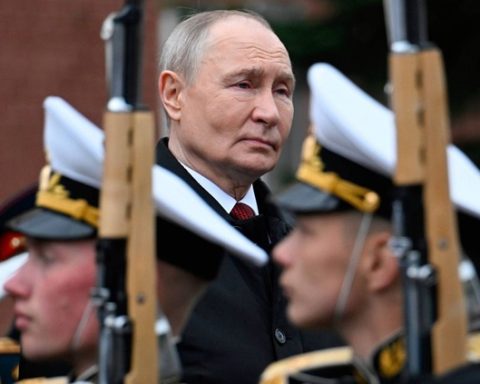
Russian President Vladimir Putin has reportedly proposed a summit with US President Donald Trump and Chinese President Xi Jinping to discuss a deal to end the war in Ukraine, according to a report by The Wall Street Journal published on Monday. The proposal was raised during a telephone conversation between Putin and Trump on 9 October, the newspaper reported, citing a former Russian intelligence officer briefed on the matter.
The summit has not been confirmed. If it proceeds, Ukrainian President Volodymyr Zelenskyy would not participate, according to the report. The meeting could take place during the Asia-Pacific Economic Cooperation summit in November in the Chinese city of Shenzhen. The telephone conversation also reportedly resulted in an agreement allowing Moscow to sell diesel oil on the global market.
The reported proposal comes as relations between Ukraine and its largest military backer, the United States, face mounting strain. Recent decisions by the Trump administration involving Russian energy exports and sanctions have raised concerns among European allies and drawn criticism from some Republicans in the United States.
Over the weekend, Trump defended his decision to temporarily lift sanctions on Russian diesel exports and an executive order issued on 18 October waiving new Russia-related sanctions associated with legislation introduced by the late Senator Lindsey Graham. Trump said the relief was intended to avoid actions that could push Moscow away from negotiations.
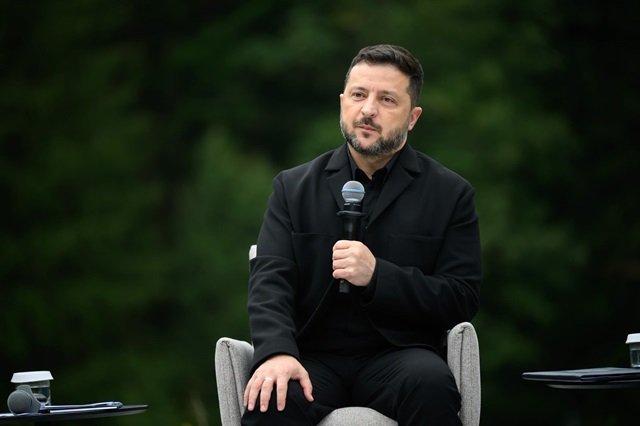
In a post on X, Zelenskyy criticised the decision, saying that “the decision to undo all of this, to block all of it, seems wrong to me”. Trump subsequently accused the Ukrainian president, in a post on Truth Social, of not wanting to end the war. The US president argued that he did not want to do anything that would “foolishly” drive Russia away from the bargaining table.
The Institute for the Study of War, a US-based research organisation, argued in a report that Trump’s 16 October executive order did not support his stated objective of ending the war. It said the measure could allow Russia to continue financing and prolonging the conflict without sufficient incentives to engage in meaningful peace negotiations.
The disagreement has also extended to attacks on energy infrastructure. Trump has urged Ukraine to stop striking Russian energy facilities, arguing that such attacks were driving up diesel prices. An energy ceasefire announced by Trump on 11 October did not prevent Moscow from continuing attacks on Ukrainian infrastructure, according to the supplied report. Ukraine paused its strikes for three days before resuming them last Thursday.
Zelenskyy said on Sunday that Russia had not responded to sanctions relief or agreements with reciprocal steps. Instead, he argued, Moscow viewed opportunities to generate revenue as evidence that continuing the war was worthwhile. In comments to Bloomberg, he also said that steps had been taken to convince Ukraine to capitulate, while adding that he did not want to believe Washington considered an end to the war at Ukraine’s expense an acceptable outcome.
Both sides continued attacks over the weekend. Ukraine launched more than 1,000 drones into Russia, setting fires at an oil export terminal and a refinery in St Petersburg, while Russia struck Kyiv with ballistic missiles, according to reports cited in the source.
A further dispute concerns satellite communications used by Ukraine’s armed forces. Kyiv accused Washington of ordering restrictions on Starshield, the military-grade satellite network operated by SpaceX, which Ukraine uses to support military operations and defend against Russian attacks. Trump denied on Friday that the White House had ordered restrictions on Starlink services provided to Ukrainian forces.
SpaceX chief executive Elon Musk said the US government owned and controlled Starshield. The reported restrictions disrupted connectivity for platforms travelling at more than 160 kilometres per hour, including interceptor drones. Reuters, citing two US officials, reported that the decision to restrict Starshield in Ukraine had come from the White House but did not identify who issued the order. The Telegraph separately reported that Musk had approached Trump with the idea of slowing Starlink services in Ukraine and that both had played a role in imposing restrictions.