At least 107,356 species are involved in international wildlife trade, more than twice the number previously estimated, according to a study published in Science Advances. The research, which brings together records from nearly 10 international databases, reveals the extraordinary breadth of a global industry involving plants, animals, fungi and other organisms, traded alive or dead, whole or in parts. Its findings suggest that wildlife commerce extends far beyond the familiar illegal trade in elephants, tigers and pangolins, encompassing everything from timber and seafood to medicinal plants, ornamental fish, cut flowers, pets and fungi.
The researchers identified more than 70,000 species for which trade could be confirmed, but estimated that the actual figure is probably above 100,000. The total number of individual organisms involved cannot be calculated. Much of this commerce is legal, while illegal wildlife trafficking represents only a fraction of the overall trade, according to the study.
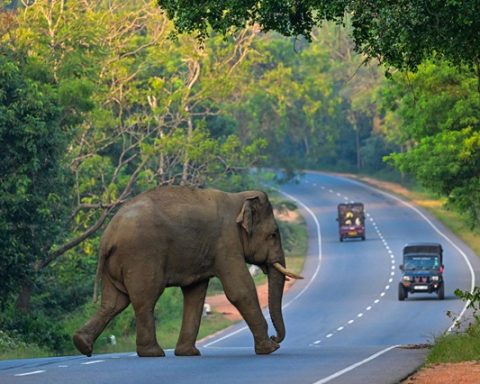
“When we think about wildlife trade, we tend to think about the illegal trafficking of elephants, tigers and pangolins. But it is much more than that,” said Alice Hughes, a researcher at the University of Melbourne and the study’s lead author. “It ranges from timber, seafood and medicinal plants to pets, cut flowers, ornamental fish and fungi; and, for the most part, it is legal.”
The distinction between legal and illegal commerce is significant. Seizures of illegally obtained wildlife account for only 0.01 per cent of the total volume of trade, whether legal or illegal, while the financial value of illegal trafficking does not exceed 10 per cent of the overall market. The researchers nevertheless stress that the relatively small proportion represented by illegal trade does not diminish its consequences for species already threatened with extinction.
The scale of the study reflects the fragmented nature of information about wildlife commerce. The researchers assembled records from several international databases, each covering different categories of trade. The United Nations Food and Agriculture Organization (FAO), for example, maintains extensive fisheries statistics but has less comprehensive information on aquarium fish. The International Tropical Timber Organization monitors the exploitation and trade of tropical timber, while TRAFFIC records seizures linked to illegal wildlife trafficking.
The principal source was the Convention on International Trade in Endangered Species of Wild Fauna and Flora (CITES), which records 40,980 species, most of them plants. However, CITES focuses specifically on species whose international trade may threaten their survival and therefore does not capture the full extent of wildlife commerce.
A particularly important source was the United States’ Law Enforcement Management Information System (LEMIS), which records wild animals and other wildlife entering or leaving the country’s borders, identifying them by species and genus. With approximately 21,000 species recorded, it provided researchers with a broader picture of the trade than many other national reporting systems.
“United States is one of the few countries that stores information about wildlife at species level through LEMIS,” Hughes said in an email. She cautioned that the study’s estimates were conservative because comparable standardised information was unavailable from many other regions. Europe could be importing considerably more wildlife taxa than the United States, but the absence of sufficiently accessible data from TRACE NT, the European equivalent of LEMIS, made accurate comparisons difficult. TRACE NT is more heavily focused on biosecurity.
Hughes also pointed to emerging markets, particularly in Asia, for exotic pets, where consumer preferences can involve very different groups of species. She said better information from more regions was urgently needed to establish the true scale of international trade.
The distribution of traded species challenges assumptions about which organisms dominate the wildlife economy. Plants account for the largest share of the recorded diversity, with orchids representing almost two-thirds of the plant species involved in trade, despite the existence of an established agro-industrial sector devoted to their cultivation.
Among animals, small invertebrates are more prominent than large mammals. More than 4,000 butterfly species and nearly 2,000 species of arachnids are traded internationally, with many originating in developing countries and destined for markets in wealthier nations.
Birds constitute the most heavily traded group among vertebrates. Approximately 65 per cent of all known bird species are involved in commerce, driven by demand for meat, feathers and live birds kept for their songs or ability to imitate human speech. Research published several years ago found that some Indonesian songbird species had more individuals living in cages than in the wild.
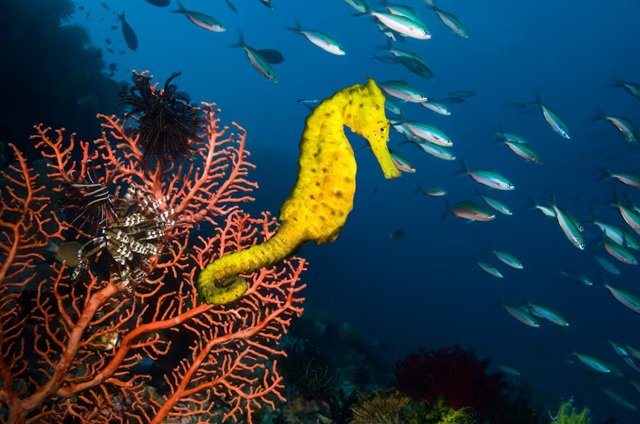
Fish form another major category, with 5,454 species recorded in commercial trade. The scale of exploitation is illustrated by seahorses: approximately 37 million are captured and sold every year. An estimated 95 per cent come from countries in which CITES has prohibited their trade.
The study does not distinguish between legal commerce and illegal trafficking when counting the number of species involved. However, the authors warn that there is substantial evidence that some forms of wildlife exploitation are unsustainable, meaning that animals and plants are removed from natural populations faster than those populations can replenish themselves. Establishing when exploitation becomes excessive remains difficult, particularly because regulatory intervention can come long after populations have suffered serious declines. A previous study found that international trade restrictions for endangered animals could take as long as two decades to be introduced.
A comprehensive review published in 2023 linked international wildlife trade to the extinction of nearly 300 species and the near-extinction of a similar number. Some were historical losses, while others, including several rhinoceros subspecies, occurred in recent decades.
Roman Carrasco, head of the Bioecon Lab at the National University of Singapore, said legal wildlife commerce needed to be monitored to ensure that it remained sustainable. This required tracking populations and establishing sales quotas, he said, while maintaining resources for efforts against illegal trafficking.
“Although illegal wildlife trade represents only a small proportion of global trade, it includes species that are on the verge of disappearing, often because of illegal trade,” said Carrasco, who is Spanish. He cited the Sumatran rhinoceros as an example, saying that illegal trade had decimated its population, leaving only 80 individuals, with reproductive problems, and that the species would probably become extinct soon.
The researchers note that sustainable wildlife commerce can provide an important source of income for communities in countries where traded species originate, making accurate information about the species involved, their geographical origins, the numbers taken and the methods of collection essential to managing the industry.