A complaint has been lodged with Sri Lanka’s Commission to Investigate Allegations of Bribery or Corruption, calling for a formal investigation into the allocation of Rs. 100 million to a private television channel for hosting an international broadcasting conference in Colombo.
The complaint was submitted by the Association of Social Media Activists for Democracy, which has questioned the legal basis for transferring such a large sum of public-sector funds to a privately owned broadcaster. The group alleges that the expenditure, made under the stated purpose of promoting tourism, may involve serious financial irregularities.
The funding was provided in connection with the Asia-Pacific Broadcasting Union (ABU) General Assembly, held in Colombo, together with related executive meetings, musical performances and organised excursions. The complainants have questioned whether public money should have been spent on these activities and called for an examination of the decision to sponsor the event.
Cabinet spokesperson and Minister Dr Nalinda Jayatissa rejected criticism over the source of the payment, telling a media briefing on cabinet decisions that the Rs. 100 million did not come from public tax revenue held by the Treasury.
He said the sponsorship had been financed through funds held by the Sri Lanka Tourism Promotion Bureau (SLTPB). According to the minister, the account is funded through a US$5 fee charged to foreign tourists visiting Sri Lanka and a one per cent cess imposed on hotel revenue.
Jayatissa’s explanation sets out the government’s position on the source of the sponsorship, while the complaint seeks scrutiny of the legal basis and financial propriety of the allocation. The allegations have not been established, and the source material does not indicate whether the Bribery Commission has begun an investigation or taken a decision on the complaint.
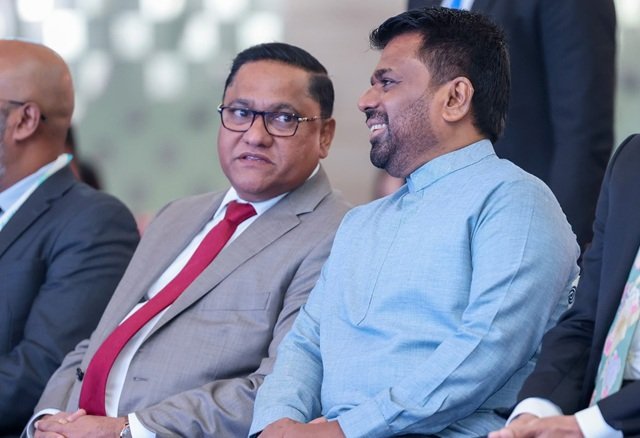
The ABU General Assembly was held in Colombo last Sunday under the patronage of President Anura Kumara Dissanayake. More than 350 foreign media organisation heads and representatives from 66 countries attended the gathering.
The event brought together broadcasters and media representatives from across the Asia-Pacific region. Its programme included the main assembly, executive meetings, musical performances and excursions, for which the sponsorship was provided.
The complaint centres on the decision to allocate Rs. 100 million to the private broadcaster involved in hosting the event, while the government has maintained that the money came from a tourism promotion fund rather than the Treasury’s general tax revenue.