Two decades ago, Eritrea made a bold move by expelling USAID and halting the operations of other foreign development agencies. The decision, led by the country’s long-standing leader Isaias Afewerki, was rooted in the belief that Africa’s future depended on self-reliance. As he explained in an interview with the Financial Times before the expulsion, “If you need something and no one is giving it to you, you struggle even harder to do it on your own.” Now, as global aid systems face unprecedented challenges, many African nations are beginning to confront a similar reality—surviving without the extensive foreign assistance they’ve relied on for decades.
The global aid landscape is shifting dramatically. The decline of USAID’s influence, partly triggered by the Covid-19 pandemic and the ongoing geopolitical shifts such as the Russian invasion of Ukraine, has left African countries grappling with an uncertain future. With USAID slashing its funding by 83% under President Donald Trump’s administration, a key source of support for many African governments is being severely diminished. This, according to a senior African finance official, is forcing nations to navigate a “cold turkey” or “methadone” scenario in terms of foreign aid, with some fearing catastrophic outcomes for millions of people across the continent.
The Financial Times highlighted that this reduction in aid could result in significant humanitarian crises. Diseases like HIV and tuberculosis could rise again, conflicts might intensify, and there may be a surge in undocumented migration to Europe. Yet, amid these dire predictions, some leaders, like Ngozi Okonjo-Iweala, the director-general of the World Trade Organization, see an opportunity for Africa to rethink its development model. “We do have to take responsibility for our health as much as we can,” she said, acknowledging the tough reality but emphasizing the need for strategic use of the remaining aid.
Eritrea, the country that first embraced a self-sufficiency model, has seen mixed results. While it remains one of the few nations in Africa to not receive US aid, it has nonetheless achieved notable development progress in some areas. With a life expectancy of 68, Eritrea performs on par with countries like Rwanda, which receives over $1 billion in foreign aid annually. The nation’s leadership attributes this progress to their rejection of aid dependency, a sentiment echoed by Yemane Gebremeskel, Eritrea’s long-time information minister. He argues that aid stifles local initiative and capacity, which in turn limits long-term growth.
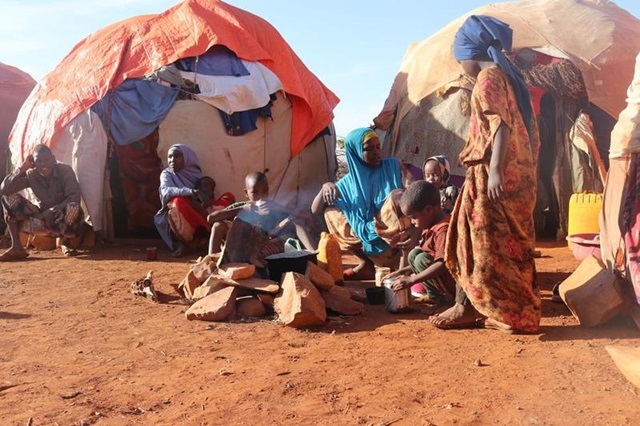
Other countries, however, are not so fortunate. As USAID cuts deepen, nations like Kenya, Sierra Leone, and the Democratic Republic of Congo are already feeling the impact, with healthcare and food security programs collapsing. For many African nations, aid accounts for as much as 30% of their national budgets, and without it, vital public services may be in jeopardy. Sierra Leone’s Foreign Minister Timothy Kabba expressed concerns that the loss of US funding would force his government to make tough decisions, prioritizing the most essential programs at the expense of others.
In response to these mounting challenges, African leaders are calling for a shift in strategy. Donald Kaberuka, the former president of the African Development Bank, and Okonjo-Iweala have both stressed the need for Africa to focus on regional trade and attract more investment. Kaberuka particularly advocates for tapping into Africa’s vast mineral resources and green energy potential to drive economic growth. This would require innovative strategies, especially as traditional sources of foreign aid begin to dry up.
Philanthropic organizations, including the Gates Foundation, are stepping in with stop-gap funding, but it remains unclear whether these efforts will be enough to fill the massive void left by governments and international donors. As the continent braces for a world with less aid, the question remains: can African nations pivot toward a sustainable future without the lifeline of foreign assistance? Only time will tell if this shift will lead to greater self-reliance or exacerbate the region’s already tenuous stability.