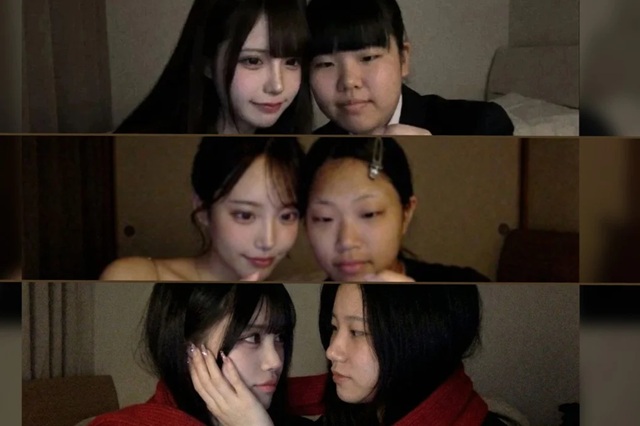
Young people in Japan are posting AI-generated images that merge their pre- and post-cosmetic surgery appearances into single “two-self” photos, creating a viral social media trend that has drawn both admiration and alarm. The phenomenon has spread rapidly, with one popular post by user @rori_bb amassing 15.8 million views and inspiring a wave of copycat images across the platform.
The AI tools used in the trend take two real photos—one before surgery and one after—and generate a composite image in which both versions appear together, often in a dimly lit virtual bedroom taking selfies or looking at each other. Many users pair these images with details of their procedures, from orthodontics and liposuction to facelifts and eyelid corrections, framing the results as personal achievements. Some posts include emotional commentary, with users describing tears, past insecurities, or the courage required to accept and share their transformations.
Japan’s cosmetic surgery market is already one of the world’s largest, recording approximately 3.3 million aesthetic procedures in 2022. Unlike South Korea, which is known for trend-driven and experimental treatments, Japan’s industry emphasizes subtle, natural-looking results. While cosmetic procedures are legal for minors with parental consent, there is no national minimum age, and reports indicate a rising number of secondary school pupils are seeking surgeries.
Despite the popularity of the trend, experts and online observers are raising concerns about its potential psychological impact. Critics warn that merging pre- and post-surgery images could normalize invasive procedures for teens, distort ideas of beauty, and encourage risky copycat behavior. Others suggest that makeup and non-surgical alternatives could achieve similar visual effects without the health risks associated with cosmetic surgery.
The AI “two-self” trend is not limited to Japan. Similar images of celebrities juxtaposed with younger versions of themselves are circulating online, and in China, some youth have used AI to generate virtual dating photos with idols. As the technology blurs the line between reality and imagination, social media watchers caution that these viral images may increasingly shape young people’s perceptions of beauty, self-worth, and the lengths they are willing to go to achieve it.