Amazon has been accused of pressuring a major European clean-energy coalition by raising the possibility of pulling its financial support, as Big Tech companies battle over looming carbon-accounting reforms that could make it far harder for data-center giants to meet their climate claims.
According to several attendees of last month’s RE-Source advisory board meeting, Amazon joined Microsoft, Meta, Google and major energy-sector representatives for a contentious discussion on proposed revisions to the Greenhouse Gas Protocol — the world’s most influential standard for carbon reporting. The reform would tighten rules for how companies disclose electricity-related emissions, threatening to undermine Silicon Valley’s longstanding method of matching data-center power use with renewable-energy purchases.
Google supported the proposed tightening. But Amazon sustainability director Jake Oster challenged the reform and, according to four people present, questioned whether Amazon could continue funding RE-Source if the group failed to take a position. Two attendees said a WindEurope representative — from one of RE-Source’s founding organisations — responded by saying Oster’s remarks resembled a commercial “threat.”
Amazon denies that any threat was made. A person close to the company said Oster merely raised the practical issue of why Amazon should fund a group that stays neutral on a “core” issue and insisted RE-Source solicit views from its members. RE-Source, for its part, said it was “only fair and normal” for members to engage on an accounting reform of such importance.
Amazon contributes roughly €100,000 a year to RE-Source, people familiar with the matter said — a meaningful share of funding for an organisation that facilitates renewable-energy deal-making across Europe. Losing that support, they noted, would materially strain RE-Source’s operations.
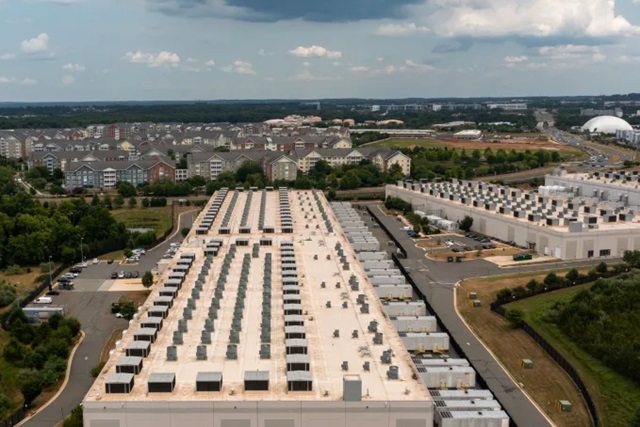
The dispute reflects widening tensions over how Big Tech plans to maintain ambitious climate pledges while simultaneously pouring billions into AI-driven data-center expansion — a buildout that requires vast and growing amounts of electricity. Amazon, Meta and Google operate many data centres on carbon-intensive grids but claim their electricity demand is matched with 100 percent renewable power. Microsoft has committed to the same goal by 2025.
That accounting method typically relies on renewable-energy credits and long-term contracts for wind, solar or hydro power. But critics say such deals can obscure real-world emissions. Under current rules, for example, a data centre in Texas burning coal and gas overnight can offset its footprint with solar certificates generated in California — even though the two regions share no physical power link.
The Greenhouse Gas Protocol’s proposed overhaul would require companies to match clean-energy procurement more closely with the time and location of their power consumption. The aim is to ensure emissions disclosures are “accurate, comparable and decision-useful.”
But the Emissions First Partnership — a lobbying group co-founded by Amazon and Meta — argues that strict 24/7 matching should remain optional. Instead, it supports calculating the emissions “avoided” by renewable-energy investments. At an industry event last month, Gavin McCormick of WattTime, a member of the group, dismissed concerns about an AI-driven surge in emissions, calling them “nonsense” and describing the push for tighter rules as a “desperation move.”
The debate matters well beyond Silicon Valley. The voluntary Greenhouse Gas Protocol underpins disclosure guidance used by the EU, California and the International Financial Reporting Standards. Any changes could reverberate across global climate reporting.
Meta and Google declined to respond to requests for comment. Microsoft also declined.