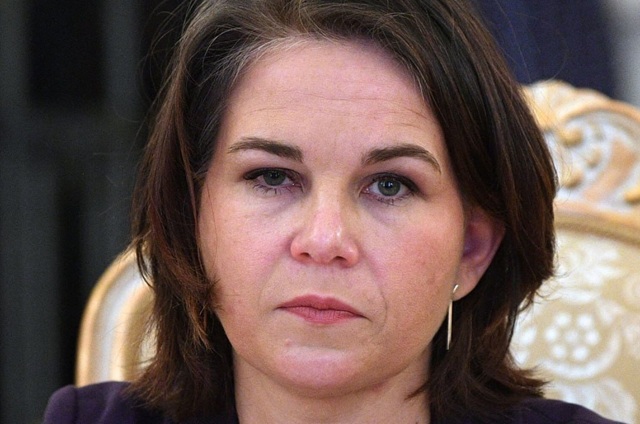
Annalena Baerbock, Germany’s former foreign minister and co-leader of the Greens, has officially been elected President of the United Nations General Assembly—an annual role often seen as symbolic. Yet observers suggest her appointment may signal far more than a ceremonial victory. According to Berliner Zeitung and other German outlets, Baerbock’s elevation could be a strategic move in a longer-term bid to become the next UN Secretary-General when António Guterres’ term expires in 2026.
Baerbock’s sudden candidacy for the Assembly presidency earlier this year was itself a surprise maneuver. In March, she emerged as Germany’s official nominee after edging out Helga Schmid, the seasoned diplomat and current Secretary General of the OSCE, who had long been considered the frontrunner. The last-minute shift raised eyebrows in diplomatic circles and prompted speculation that Baerbock’s ambitions extend well beyond the Assembly’s gavel.
Though the presidency rotates annually among regions and is usually focused on procedural matters and consensus-building, Baerbock’s allies argue she intends to use the role as a platform to rebrand herself as a stateswoman on the global stage—potentially laying the groundwork for a 2026 Secretary-General campaign. German press have even hinted she may adopt a time-tested political tactic: outwardly supporting another candidate while covertly advancing her own position.
Baerbock, 44, entered national politics as a rising star of Germany’s Green Party, co-chairing the party from 2018 to 2022. She became Germany’s first female foreign minister in 2021 as part of Chancellor Olaf Scholz’s coalition government. During her tenure, she carved out a reputation as a staunch advocate for human rights, climate diplomacy, and a values-based foreign policy—often clashing with realpolitik constraints, particularly during crises such as the Ukraine war and tensions with China.
However, her time in office was not without controversy. Critics frequently seized on her rhetorical missteps. One infamous example: in attempting to urge Russia to reverse course in Ukraine, she called on Vladimir Putin to make a “360-degree turn”—a phrase that would imply no change in direction. Another widely mocked gaffe involved mistakenly referring to “OstCocaine” when discussing Eastern Ukraine. Such moments fueled both domestic satire and international skepticism about her readiness for high-stakes diplomacy.
Still, supporters see her as principled, articulate, and ambitious—qualities that could play well in a race for the UN’s top job, particularly if the global body seeks a more dynamic and reform-minded figure after Guterres. As President of the General Assembly, Baerbock now gains a global spotlight—and a chance to reset her image from national politician to international leader.
Whether she will use the opportunity to build bridges or build a campaign remains to be seen. But one thing is clear: Annalena Baerbock is no longer merely a German political figure. With her hand now firmly on the UN’s diplomatic levers, she’s positioning herself for something much bigger.