Since December, Australian teenagers under 16 have been adapting to a life without their favourite social media apps, including TikTok, YouTube, Facebook, Snapchat and Instagram, after the government introduced a sweeping ban aimed at protecting children from harmful online content.
The Times UK reports that the policy has already led to 4.7 million accounts being deactivated, with Prime Minister Anthony Albanese describing the early results as “encouraging.” Communications Minister Anika Wells called the number a “huge achievement,” while the head of Australia’s online safety regulator, Julie Inman Grant, warned that tech firms have been reluctant to comply fully.
The ban, which includes fines of up to £25 million for companies that fail to take “reasonable steps” to keep children off their platforms, is being closely watched by other countries, including Britain, as they consider similar measures. France is also reportedly moving forward with a comparable plan.
For many teenagers, however, the ban has been easy to bypass. The Times UK describes how age-verification technology can be manipulated by young users, often by submitting selfies that trick the system into thinking they are older. Many teenagers, including 14-year-old Owen Jackson from Sydney, still have friends who can access social media despite the new law.
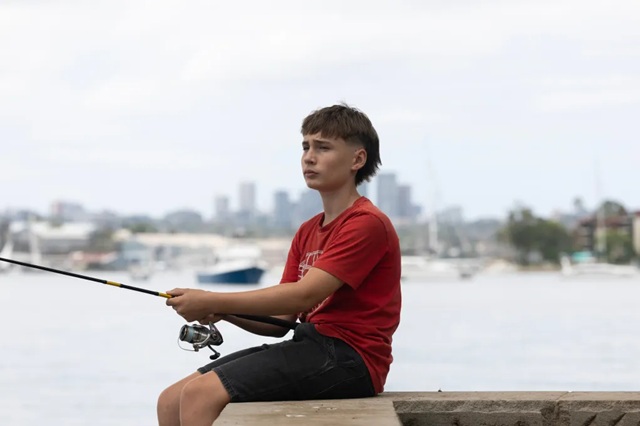
Owen told The Times UK that he has been forced to find new ways to pass the time — including fishing near Parramatta, where he hopes to catch bream, whiting or tailor. “I guess I’ve been going out more,” he said, adding that the ban has been hard because “everyone else still uses it.”
Owen’s father, Tom, said he has imposed strict controls at home to comply with the law, but has found that most other under-16s still access social media without restriction. “I decided that, well, this is the law,” he said, adding that he implemented screen controls for his children to prevent access. “All my younger kids… in accordance with what the law says.”
Tom said he supports the legislation and believes it helps protect children from the repetitive, algorithm-driven content that limits exposure to diverse viewpoints. “I think [social media] kind of reinforces stereotypes and interests,” he said.
The Times UK reports that the government is particularly monitoring Snapchat for weaknesses in compliance, as officials have noticed “anomalies” in how some children are still accessing the platform. Inman Grant said authorities are probing the issue and warned that some users are getting through the system.
Despite the enforcement challenges, many parents remain supportive. Owen’s mother, Kate, said parents she has spoken to want the ban to work and are willing to play their part in keeping children away from social media.
As Australia’s “great social media experiment” continues, the global spotlight remains on whether the policy can be successfully enforced and whether other countries will follow suit.