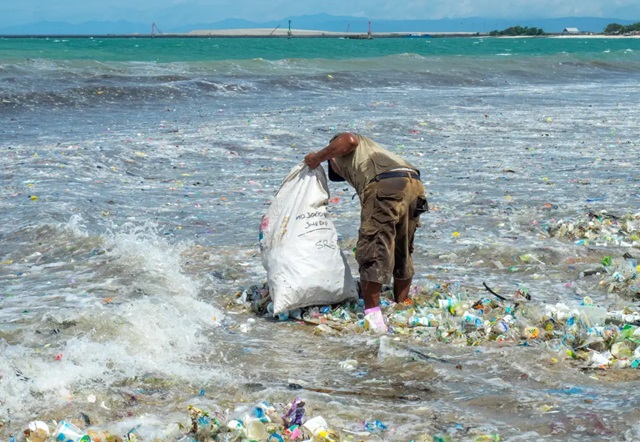
The Indonesian island of Bali, long celebrated for its natural beauty and spiritual calm, is increasingly being overshadowed by a growing environmental and social crisis. According to a recent investigation by The Times UK, poorly regulated development, mounting waste, and an emerging criminal undercurrent are threatening to turn the tourist hotspot into what locals describe as a “dirty danger zone.”
Once-pristine beaches and jungle-lined beauty spots are now frequently strewn with litter, plastic, and construction debris. Tourists continue to flock to the island in record numbers, but residents say that rapid development has come at a significant cost.
Environmental degradation is only part of the picture. Local communities have expressed alarm over what they describe as a rise in lawlessness, enabled by the lack of oversight and enforcement. The combination of over-tourism and unchecked construction has created space for illicit activity to flourish, including drug trafficking, money laundering, and organized crime operations that quietly integrate with the hospitality and property sectors.
Activists and environmentalists warn that Bali is approaching a tipping point. “If the government does not take decisive action now, Bali risks losing everything that made it magical in the first place,” one local campaigner told The Times UK.
The island’s trash crisis has reached such levels that community-led clean-up efforts have become a daily necessity. Some residents report that garbage collection services are inconsistent at best, especially in areas further from popular tourist hubs. Heavy rainfall often washes refuse from landfills and roadside dumps into rivers and the sea, creating a recurring cycle of pollution.
Tourism, which makes up over 50 percent of Bali’s economy, has rebounded strongly post-Covid. However, with that recovery has come a surge in unregulated building, including illegal villas and resorts often built without proper waste management infrastructure. Environmental assessments are frequently bypassed, leaving ecosystems vulnerable to contamination.
“Tourism has brought wealth, but also chaos,” said one local hotel owner. “There’s a sense that anything goes now — as long as you have money.”
Local authorities have pledged to crack down on rogue developments and tighten regulations. But critics argue that enforcement remains weak, and corruption at various levels of government continues to hinder meaningful reform.
As Bali grapples with these overlapping crises, residents and long-term expatriates are calling on both the Indonesian government and international stakeholders to recognize the urgency. Without immediate and sustainable intervention, they fear the island may soon lose the very charm that made it world-famous.