


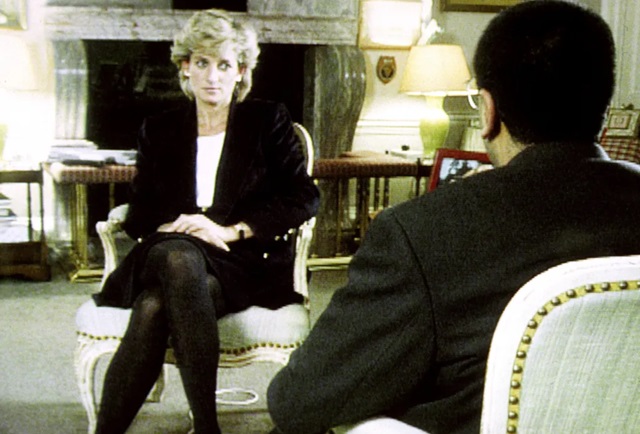
The BBC is once again under intense scrutiny following revelations set to be published in a new book about the deceit used to secure Princess Diana’s explosive 1995 Panorama interview — a scandal that continues to shake Britain’s national broadcaster. According to a report by Times UK, the book, Dianarama — Deception, Entrapment, Cover-up: The Betrayal of Princess Diana, will reveal never-before-seen details from the BBC’s own archives, exposing a cover-up of “staggering proportions.”
Written by investigative filmmaker Andy Webb — the man credited with uncovering journalist Martin Bashir’s use of forged documents to manipulate Diana — the book is backed by Earl Spencer, Diana’s brother. Spencer has long claimed that Bashir’s deception intensified Diana’s paranoia and played a role in the events that led to her untimely death in Paris in 1997.
The interview itself made headlines around the world when Diana famously declared, “there were three of us in this marriage,” referring to the then-Prince Charles’s relationship with Camilla Parker-Bowles. It was a moment that changed the public’s perception of the monarchy — and, as Times UK notes, one that also altered the lives of Diana’s sons, Princes William and Harry. Both have publicly condemned the interview in recent years, with Prince William calling it a “major contribution” to the breakdown of his parents’ relationship, and Prince Harry blaming it for the “ripple effect” that led to Diana’s tragic death.
Webb’s investigation, which began over 30 years ago and culminated in a 2020 documentary, forced the BBC to release more than 10,000 pages of documents through a Freedom of Information legal battle. Many of those documents, according to Times UK, reveal a concerted effort within the BBC to conceal Bashir’s actions — including an internal memo that falsely implicated Earl Spencer in the conspiracy to forge bank statements.
“These were documents Diana’s family had never seen,” Webb said. “This is the true first draft of history — not just about a single interview, but about the culture of exploitation and cover-up that surrounded it.”
The book’s publication, timed to coincide with the 30th anniversary of the Panorama broadcast this November, comes at a time when public trust in the BBC is still recovering from the fallout of the scandal. In 2021, a damning independent inquiry by former Supreme Court judge Lord Dyson concluded that the BBC’s original investigation into Bashir’s actions was “woefully ineffective” and that the broadcaster had “failed to uphold its high standards of integrity and transparency.”
Further documents revealed that Bashir blamed race and class discrimination for the backlash against him, while Tony Hall — then BBC head of news and later director-general — had described Bashir as “honest and honourable” even after the forgery came to light. Hall eventually resigned from his later role as chair of the National Gallery.
The BBC’s general counsel, Sarah Jones, acknowledged last year during a tribunal hearing that the corporation failed to consult Earl Spencer or show him the evidence prior to the public fallout. “I very much wish we had shown him,” she admitted, calling it a critical error in how the broadcaster handled the scandal.
Judge Brian Kennedy, who oversaw Webb’s legal challenges, criticized the BBC’s conduct, citing the excessive £600,000 cost to the public and the damage done to trust in the institution. While further disclosures have been denied, the documents already released have raised serious questions about transparency, accountability, and media ethics in one of the most infamous chapters in the BBC’s history.
A BBC spokeswoman told Times UK: “We have released a significant amount of information to Mr Webb, including some 10,000 pages of material. Redactions have only been made where legally necessary.”









