by Our Correspondent in Doha
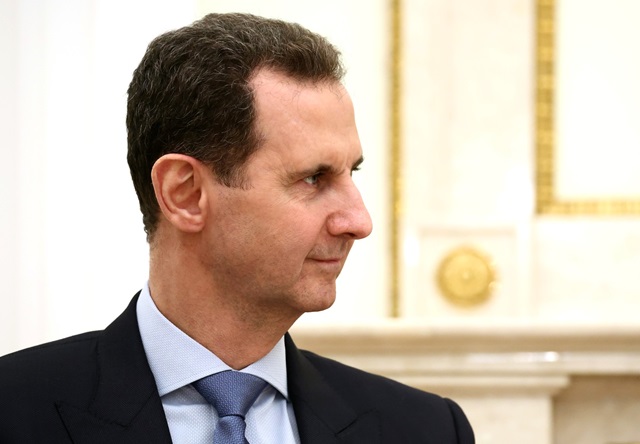
Syrian President Bashar al-Assad remained in Syria on Friday while members of his family took steps to distance themselves amid mounting regional and military pressures. Reports indicate that Assad’s wife and children have traveled to Russia, while his sons-in-law have moved to the United Arab Emirates (UAE), sparking new speculation about the regime’s stability as the conflict deepens.
This development comes as geopolitical shifts continue to influence the region. Reports suggest that Iran has pulled out its troops, military commanders, and diplomats from Syria in a significant strategic move. However, this withdrawal has not been officially confirmed by Iranian or Syrian authorities, leading some analysts to question the full extent of Iran’s intentions. If true, this move would represent a major turning point, as Iran has been one of the most pivotal allies supporting Assad’s regime during years of war.
The reports of Iran’s withdrawal raise further concerns about Syria’s geopolitical future and Assad’s ability to maintain control in a climate of rising unrest. The timing of this speculation coincides with mounting regional calls for strategic shifts in leadership. Egyptian officials have reportedly recommended that Assad leave Syria and establish a temporary council to allow strategic planning. However, the optics of such a move could alienate the Syrian population and diminish confidence in his leadership.
At the same time, the United States has denied involvement in recent militant attacks in Syria, even as Jordanian authorities urge Assad to flee the country entirely to quell escalating violence. The pressure has escalated as reports continue to emerge of coordinated militant attacks targeting key urban centers. These attacks, combined with rising local uprisings in areas such as As-Suwayda and Daraa, are posing new security challenges for Assad’s government.
The Syrian military has taken proactive measures in response, implementing a “redeployment and change of positions” strategy to counter militant threats. Recent statements from the Syrian Army General Command emphasize their resolve: “The General Command of the Army and the Armed Forces confirms that our armed forces are coping with the course of events, based on concern for the security of the Motherland and citizens, and will confront this terrorism with all firmness and strength.”
Regional Diplomatic Meeting Highlights Shared Concerns
Amid these military developments, recent diplomatic efforts are signaling potential pathways for regional stability—or at least cooperation. On December 6, the foreign ministers of Iran, Iraq, and Syria met in Baghdad to discuss recent developments and security challenges in the region. This tripartite meeting was aimed at addressing the growing risks and ongoing instability in Syria and other neighboring areas.
The joint statement from the meeting underscored a shared consensus among the nations regarding the risks posed by recent events in Syria and their sensitivity for regional stability. Additionally, the ministers strongly condemned all forms of terrorism identified by the United Nations Security Council and reiterated the need for sustained joint efforts to combat these threats. They also took a firm stance against Israel’s military actions against Syria, Gaza, and Lebanon.
The foreign ministers emphasized the importance of respecting Syria’s sovereignty, territorial integrity, and independence as the foundation for any regional solutions. They stressed that threats to Syrian security represent a broader regional risk and that peace can only be achieved through continuous diplomatic dialogue, regional coordination, and multilateral cooperation.
Moreover, the ministers called on Arab, regional, and international partners to mobilize resources and efforts to find peaceful solutions to the multifaceted challenges affecting Syria and its neighbors. They emphasized that these challenges demand both immediate responses and long-term, sustainable strategies to ensure stability.
This meeting represents a crucial step toward fostering regional cooperation and addressing Syria’s political and security challenges through diplomatic means. As Iran’s troop withdrawal remains unconfirmed and Assad faces military pressure and shifting alliances, the outcomes of these diplomatic discussions could shape the near future of the conflict-ridden nation and its position within the region.
The strategic geopolitical moves and recent military developments leave Assad in an increasingly precarious position. With Iran’s troop pullout reports remaining unverified, growing regional calls for Assad to leave Syria, and ongoing militant attacks straining the military, the Syrian leader faces a tough balancing act. His ability to navigate these shifting alliances, maintain military control, and secure his leadership will likely depend on diplomatic maneuvers as much as military action.