


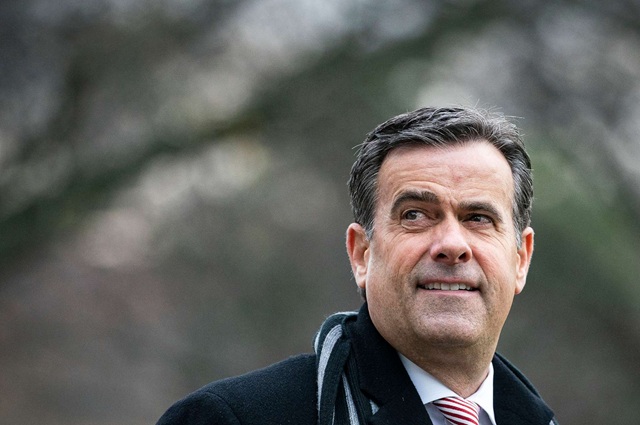
The Central Intelligence Agency announced on Friday that it had retracted 17 intelligence reports and revised two others written over the past decade, citing concerns that some documents failed to meet the agency’s “high standards of impartiality,” according to a statement from C.I.A. Director John Ratcliffe. The move comes after the President’s Intelligence Advisory Board reviewed 300 documents and flagged 19 for closer scrutiny.
Most of the intelligence reports in question focused on issues related to diversity, equity, and inclusion. A senior C.I.A. official noted that three of the documents were particularly problematic due to inappropriate sourcing or because they addressed topics deemed outside the agency’s core mission. These three reports were declassified and released. One report, from 2020, examined contraception during the pandemic; another, from 2015, detailed mistreatment of LGBTQ individuals in the Middle East and Africa; and a 2021 report analyzed the growing involvement of women in racially motivated violent extremist groups.
Former intelligence officials challenged both the decision to declassify certain reports and the agency’s claim that the documents were flawed. Speaking to the New York Times, they argued that the pieces were not examples of shoddy analysis or bias but reflected the policy priorities of the administrations under which they were written. They emphasized that the flagged reports represented only a small fraction of the tens of thousands of intelligence articles produced by the agency over the last decade.
Current and former officials also highlighted that the C.I.A. leadership has, in recent years, acted to align more closely with President Trump’s priorities, including firing officers involved in diversifying the agency and reviewing intelligence assessments related to foreign interference in the 2016 U.S. election. The agency has also shuttered its global health analysis unit, which had produced the report on contraception. The report on female involvement in extremist groups drew criticism for associating certain practices favored by some Trump supporters, such as traditional marriage roles and higher birth rates, with violent extremist movements abroad.
The senior C.I.A. official explained that the retracted intelligence pieces had crossed into political debates and discussions about gender roles in allied countries, making them unsuitable for agency analysis. The official also questioned the credibility of sources used, noting that one report cited Planned Parenthood, an advocacy organization, as a reference.
Former officials who reviewed the declassified reports told the New York Times that they found the analytic work reasonable and consistent with the standards of the time. They stressed that while policymakers can request intelligence on a wide range of issues, analysts are expected to evaluate potential outcomes without advocating for specific policies—a standard they believed these reports met.










