


Former BBC News Bangla journalist Salahuddin Sumon has transformed digital travel filmmaking by merging newsroom rigor with human-centered storytelling, reaching millions of Bengali-speaking viewers across South Asia and the global diaspora. From
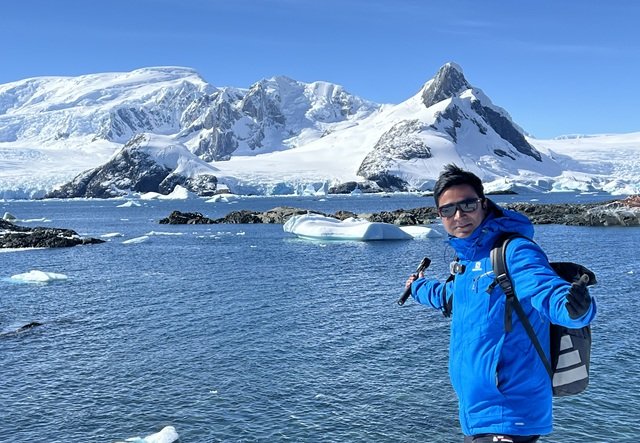
Former BBC News Bangla journalist Salahuddin Sumon has transformed digital travel filmmaking by merging newsroom rigor with human-centered storytelling, reaching millions of Bengali-speaking viewers across South Asia and the global diaspora. From
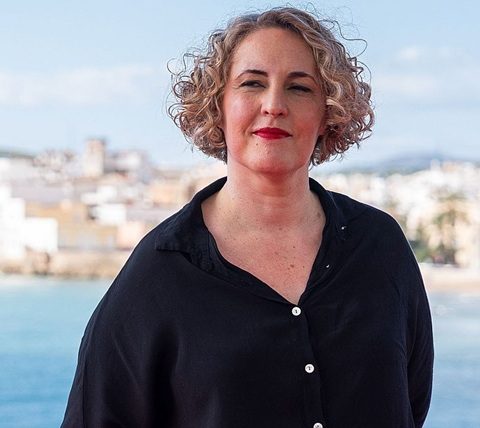
Spanish filmmaker Carlota Pereda will become the first Spanish director and the fourth woman of any nationality to open the Sitges Film Festival, the world’s leading festival for fantasy and horror cinema, when its 59th edition begins with Found Alive.
For centuries, silence has been treated as an absence: the absence of sound, speech or response. Lola Pons argues that it is far more
By the time Alexander the Great died in Babylon in 323 BC, aged 32, he had accumulated more wealth than any person before him
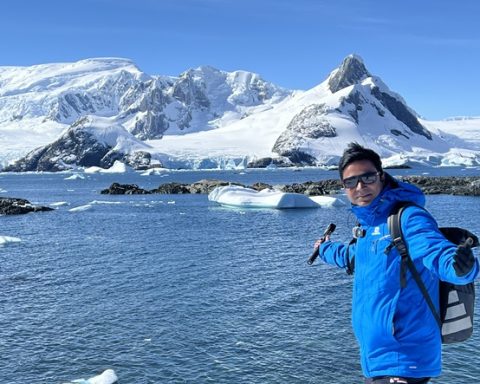
Former BBC News Bangla journalist Salahuddin Sumon has transformed digital travel filmmaking by merging newsroom rigor with human-centered storytelling, reaching millions of Bengali-speaking viewers across South Asia and the global diaspora. From
More
Spanish filmmaker Carlota Pereda will become the first Spanish director and the fourth woman of any nationality to open the Sitges Film Festival, the world’s leading festival for fantasy and horror cinema,
More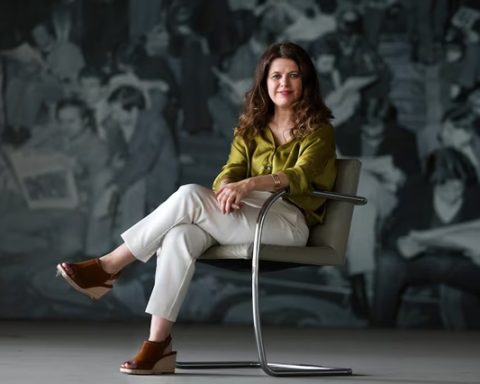
For centuries, silence has been treated as an absence: the absence of sound, speech or response. Lola Pons argues that it is far more consequential than that. In her new book, El
More
By the time Alexander the Great died in Babylon in 323 BC, aged 32, he had accumulated more wealth than any person before him and created an empire larger than any known
More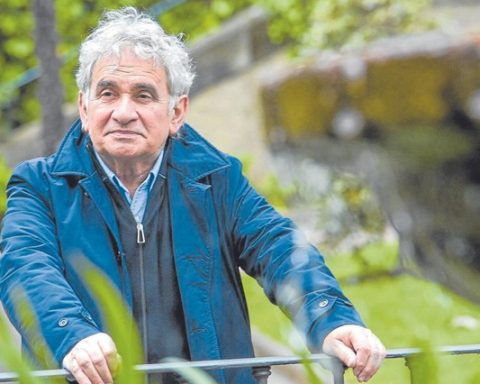
Basque writer Bernardo Atxaga’s new novel Golondrinas begins with the burial of legendary boxer Urtain and follows three funerals in the same grave across 50 years, blending death, rural decline, fantasy and
More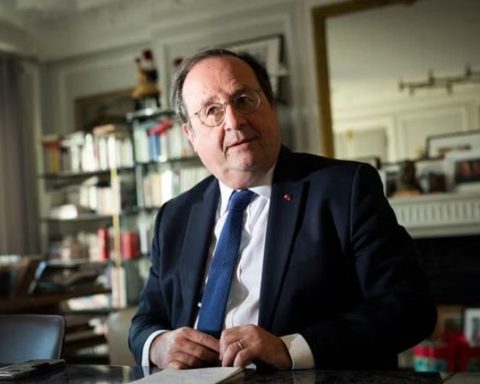
Elections across France, Italy, Spain, Poland and other major European countries are set to test whether surging nationalist and populist movements can turn growing support into lasting political power, as mainstream parties
More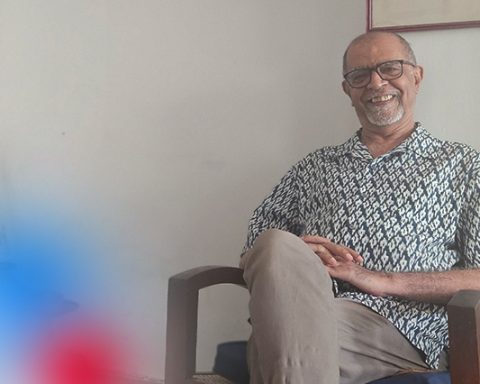
This interview traces Professor Jayadeva Uyangoda’s journey from JVP revolutionary to political scientist, examining his early experiences of poverty, caste and inequality, his role in the 1971 uprising, imprisonment at Welikada, and
More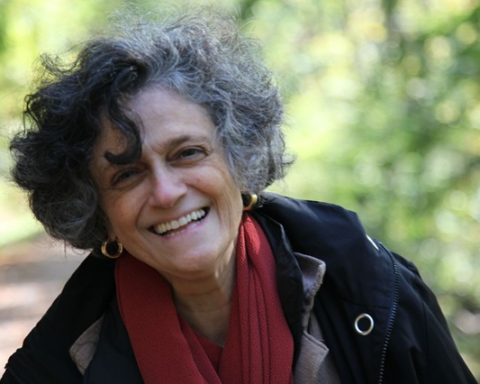
In a wide-ranging conversation, Bahiyyih Nakhjavani reflects on the unsettled nature of identity, the limits of historical truth and the moral responsibility of writing about people who can no longer speak for
More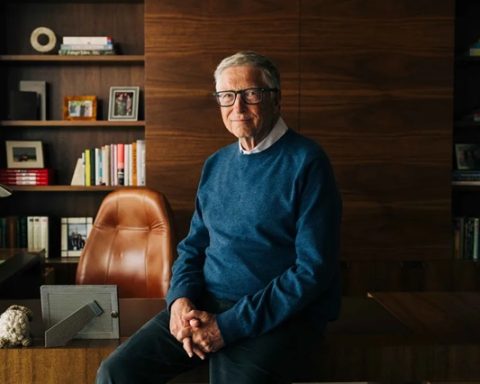
Bill Gates has spent much of his life at the centre of technological change. Since co-founding Microsoft with Paul Allen in 1975, he has witnessed — and helped shape — the rise
More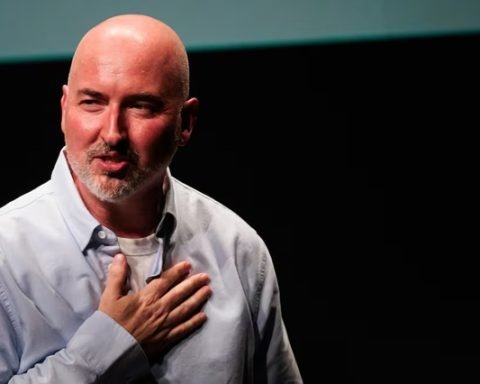
In an interview with El País, Scottish writer Douglas Stuart speaks about the subjects that have defined both his life and his fiction: poverty, fractured families, homosexuality, class and the enduring difficulty
More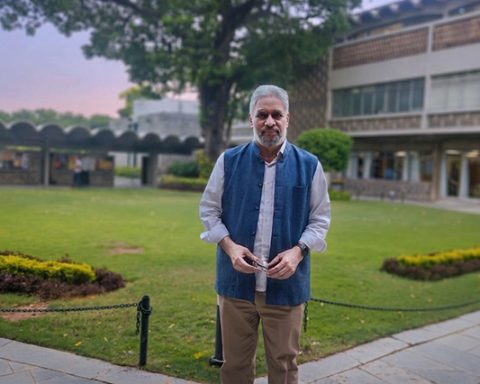
“Strategic autonomy is a fairly, I think it’s not of much use from my view,” says C. Raja Mohan. “All countries, some more Indians think they’re the only ones who do strategic
More
Francis Fukuyama remains one of the most influential political theorists of the modern era, a reputation forged in 1989, months before the fall of the Berlin Wall, when his essay “The End
More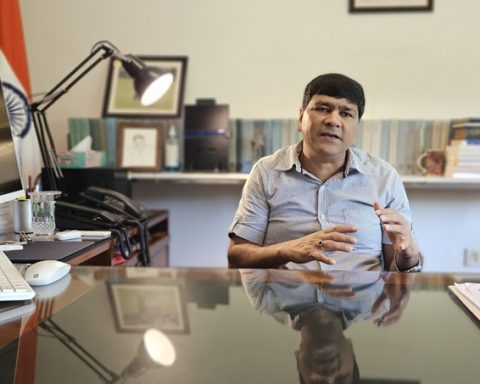
“‘There are no heroes, there are no villains.’ That is what the long-term demographic history of India tells us,” says historian Ravi K. Mishra. The statement goes to the centre of his
More
Julián Casanova has spent much of his career examining the violence that shaped modern Europe, from the Russian Revolution and anarchism to the Spanish Civil War and the dictatorship of Francisco Franco.
More
A debt crisis may not be imminent in the United States, but one of the world’s most prominent economists believes the country is becoming dangerously less prepared for the next major shock.
More