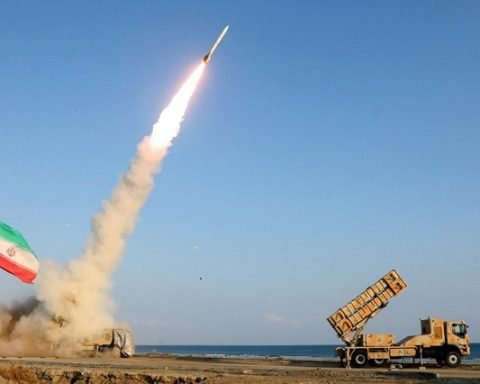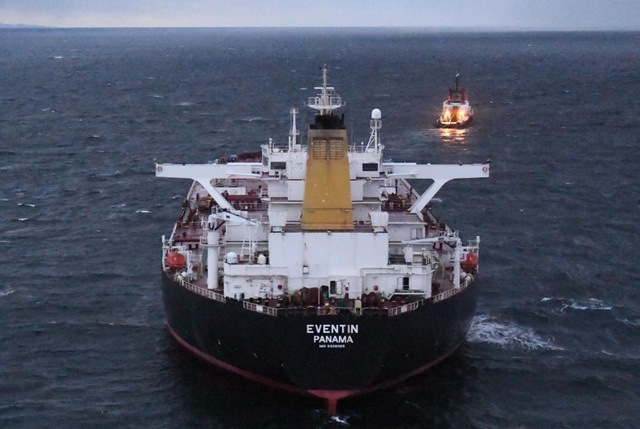
Charter prices for large oil tankers transiting the critical Strait of Hormuz have more than doubled in the past week following Israel’s recent attack on Iran, as shipowners grow increasingly wary of the risks associated with navigating the volatile region.
According to data from Clarksons Research, the cost to charter a Very Large Crude Carrier (VLCC) — which can transport up to 2 million barrels of oil — from the Gulf to China surged from $19,998 per day last Wednesday to $47,609 as of this Wednesday. This dramatic 138% spike far outpaces the 12% rise in the broader Baltic Dirty Tanker Index, which tracks global crude shipping rates.
Rates for Long Range 2 (LR2) tankers, which transport refined oil products, also soared — climbing from $21,097 to $51,879 per day on the same Gulf-to-China route.
“Shipowners are holding back, expecting higher earnings in their future,” said Joakim Hannisdahl, founder of shipping hedge fund Gersemi Asset Management, highlighting a growing preference for caution amid rising geopolitical risks.
The Strait of Hormuz — a narrow chokepoint through which a fifth of the world’s oil passes — has become an area of renewed concern for the global shipping industry. Although oil flows have not been significantly disrupted so far, the perceived threat is reshaping tanker markets.
“There are no indications that Israeli attacks have hit Iran’s oil-exporting capability,” said Stephen Gordon, managing director at Clarksons Research. “However, tanker freight rates on routes out of the Middle East have risen sharply, with some owners avoiding the region or demanding higher risk premiums.”
A contributing factor is the status of Iran’s crude exports, which rely heavily on a so-called “dark fleet” — a network of vessels operating outside international norms, often lacking standard insurance and safety certifications due to sanctions. Market speculation suggests some buyers are now shifting away from Iranian oil, opting instead for supplies from other Gulf countries using mainstream, fully certified tankers. This shift is tightening availability and driving up charter rates across the regular fleet.
“If you take away the Iranian ships completely, you’re going to be needing more ships from the regular fleet,” said Richard Fulford-Smith of Eden Ocean, an energy-focused investment firm.
Lars Barstad, CEO of Frontline — the world’s largest publicly listed oil tanker company — echoed the sentiment, saying the recent attack on Iran could accelerate this move away from dark fleet shipping, further pressuring the market.
Highlighting the dangers in the region, a Frontline-operated vessel, the Front Eagle, was involved in a collision with a dark fleet tanker on Tuesday just after leaving the Strait of Hormuz. While no casualties were reported, the incident reinforced industry concerns over navigational safety in the congested and increasingly tense waterway.
Insurers have already responded to the rising risks by raising premiums for voyages through the Strait by as much as 60%, compounding the costs faced by oil shippers and importers globally.
With geopolitical tensions showing no sign of abating, analysts expect tanker rates to remain elevated in the near term — particularly for routes originating in the Gulf. The broader market impact may soon ripple through to consumers in the form of higher oil prices, as logistics costs mount and shipping availability tightens.