


China has implemented new retaliatory tariffs on approximately $22 billion worth of US imports, primarily targeting agricultural products, in the latest escalation of the ongoing trade war between the world’s two largest economies. The move follows President Donald Trump’s decision to impose an additional 10% levy on all Chinese imports.
According to a report by the Financial Times, Beijing’s new tariffs are particularly aimed at US farm goods, a crucial economic sector that forms a key part of Trump’s political base. Soybeans, one of the largest American exports to China, valued at $12 billion last year, will now face an additional 10% duty. Other agricultural products, including cotton, chicken, and corn, have been hit with a 15% tariff increase.
The vast majority of US agricultural exports to China now face added tariffs, reducing their competitiveness in the Chinese market. Analysts at Nomura estimate that China’s 10% tariff affects nearly $19 billion of US imports, with an additional $3 billion of goods subjected to the higher 15% levy.
In a further blow to American exporters, China also announced the suspension of all US timber imports last week, citing pest concerns. US timber shipments to China totaled approximately $850 million last year, making this another significant economic setback for the sector.
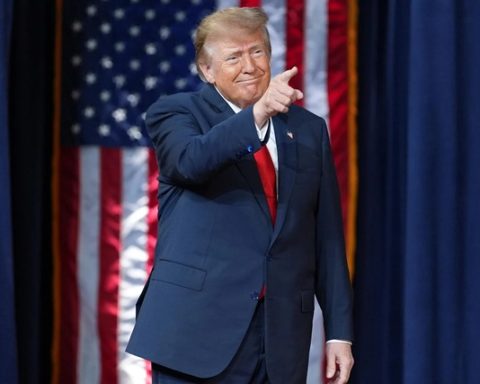
While Trump has acknowledged that the tariffs may cause “a little disturbance,” he urged American farmers via social media to focus on domestic sales. “Start making a lot of agricultural product to be sold INSIDE of the United States,” he wrote, adding, “Have fun!”
Despite Trump’s assurances, concerns over the impact of his trade policies on the US economy are growing. Over the weekend, he declined to rule out the possibility that his administration’s policies could trigger a recession. Economic analysts and US farmers alike fear that the current standoff could lead to a repeat of the damaging trade war that occurred during Trump’s first term in office.
The 2018 US-China trade war resulted in approximately $27 billion in losses for US agriculture. Although the federal government compensated farmers with nearly $23 billion in aid to mitigate the impact, many remain wary of another prolonged dispute with Beijing.
As tensions continue to rise, industry experts warn that the latest tariffs could further strain US-China relations and contribute to broader economic instability. With both sides showing little sign of backing down, the global trade landscape remains uncertain.









Here we go again!