
A dramatic saga of corporate espionage involving drones, alleged assaults, and trespassing has drawn attention to the unregulated world of private investigations. According to a report in The Sunday Times, the harassment of Boohoo executives, including former CEO John Lyttle and co-founder Mahmud Kamani, has exposed the questionable practices of some private investigators in an industry worth $18.2 billion globally.
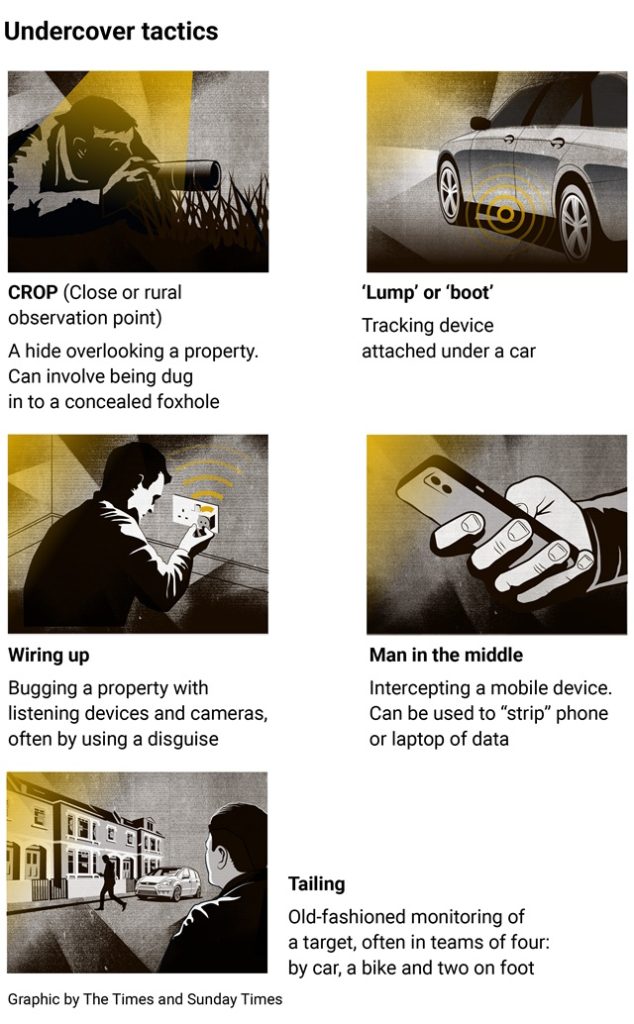
The Boohoo case is said to have involved sustained surveillance, with executives followed across multiple cities, their homes watched, and even a drone flying over Boohoo’s Manchester headquarters. Lyttle reported encountering trespassers on his property, while Kamani alleged he was physically attacked by someone monitoring him. The identity of the perpetrators, and whether they were hired by a corporate rival or another interested party, remains unknown.
The case has highlighted the methods used by some investigators, including techniques such as “ripping” phones (downloading data without consent) and the use of honeytraps. A former policeman turned private investigator, identified only as Danny, revealed that such practices are widespread, from covert tracking to planting hidden cameras. He recounted incidents of hacking phones during distractions created by honeytraps, reflecting the morally ambiguous and often illegal side of the trade.
The Boohoo case isn’t the first high-profile instance of corporate spying. The Sunday Times cites Alok Sama, a former SoftBank executive, who was subjected to similar tactics as part of a smear campaign, including being followed and photographed with his family. A botched honeytrap targeting his colleague, Nikesh Arora, also came to light, underscoring how far some will go in corporate rivalries.
The Boohoo case has intensified calls for stricter regulation of the private investigation industry. Conservative MP David Davis described the allegations as a “grim reminder” of the need to clamp down on intimidation and illegal surveillance. Industry insiders like Jonathan Benton, founder of Intelligent Sanctuary, have voiced frustration at the lack of oversight, which they say tarnishes legitimate investigative work.
While countries like the United States require investigators to be licensed, the UK has no such mandatory framework. Critics argue this regulatory gap enables rogue operators to exploit legal gray areas, often at the expense of human rights and privacy.
The legal boundaries of surveillance remain blurred. While breaking and entering or deception are clearly illegal, tailing someone in public or using drones skirts the edges of legality. Richard Meeran, a lawyer specializing in privacy cases, noted that enforcement often hinges on proving that actions were “excessive” or lacked a justifiable public interest.
In the Boohoo case, police are reportedly investigating potential breaches of the Stalking Protection Act, an unusual application of the law in corporate settings. If pursued, it could set a significant precedent.
Within the private investigations sector, there is a clear divide between operators who adhere to legal and ethical guidelines and those willing to employ dubious tactics. Firms like Raedas, known for database-driven research and interviews, decry the practices exposed in the Boohoo case. Andrew Wordsworth of Raedas criticized intrusive surveillance, calling it a potential breach of human rights.
The scandal has also spotlighted the role of law firms that routinely hire private investigators for corporate clients. While some tasks, such as tracing fraudsters’ assets, fall within ethical lines, other activities—like placing tracking devices on cars—are seen as crossing into unethical territory.
The Boohoo case has unfolded against the backdrop of a bitter boardroom battle with Frasers Group, which is reportedly pushing for its founder, Mike Ashley, to take over the company. While there is no evidence linking Frasers Group to the surveillance, the rivalry adds intrigue to the unfolding drama.
The outcome of the police investigation and any potential legal action will be closely watched. Beyond Boohoo, the case raises urgent questions about the accountability of the private investigations industry and the legal frameworks governing its practices.
As Jonathan Benton aptly put it: “There’s people like us trying to run legitimate businesses—dealing with fraud and litigation—while others are ruining lives and risking prosecution.” Whether the Boohoo case sparks meaningful reform remains to be seen, but it has undoubtedly shone a spotlight on the dark side of corporate espionage.