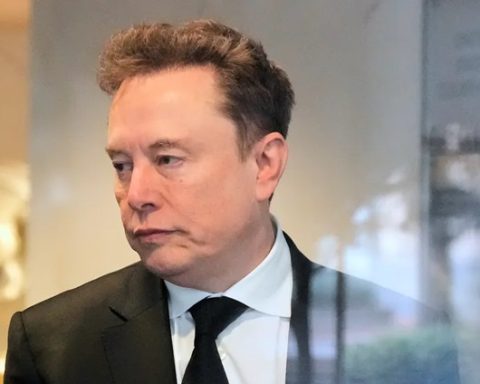
Elon Musk’s foray into U.S. politics appears to be faltering under the weight of controversy, corporate backlash, and dwindling public support, according to a comprehensive report by the South China Morning Post. Once convinced that his personal vision for America’s political and technological future could outpace that of traditional leaders like Sam Altman or Larry Page, Musk now finds himself retreating from the national stage he eagerly stepped onto just months ago.
The South China Morning Post details Musk’s break from OpenAI, which he co-founded in 2015, and his decision to cut ties with former Google CEO Larry Page over diverging views on the trajectory of artificial intelligence. This same unwavering belief in his own judgment later drove his aggressive political engagement — including a nearly US$300 million investment in Donald Trump’s 2024 campaign and a contentious, short-lived stint in the White House.
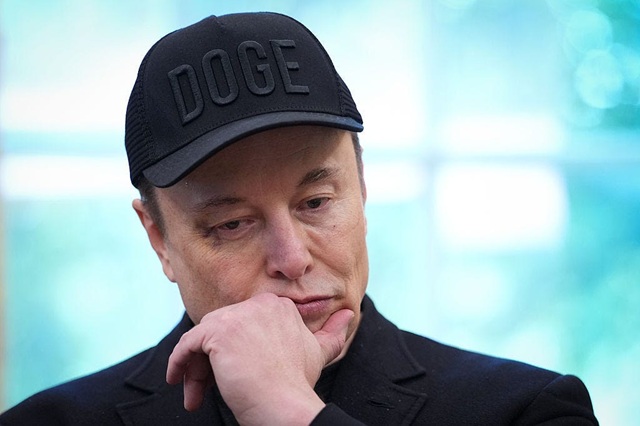
Musk served as head of Trump’s newly created “Department of Government Efficiency” (Doge), pushing massive and abrupt cutbacks in federal agencies and drawing widespread criticism. His high-profile disputes with the president, particularly over a major spending bill he labelled a “disgusting abomination,” led to a dramatic falling-out.
In the aftermath, Musk floated the idea of forming a third political party — “The American Party” — claiming it could unite the “80% in the middle” of America’s polarized electorate. A poll on X, his social media platform, found broad user support for the concept. But analysts, including University of Chicago professor John Mark Hansen, remain deeply skeptical of the idea’s viability. Hansen pointed out that Musk, a South African immigrant, is constitutionally ineligible for the presidency or vice-presidency, and that third-party movements have historically failed to gain lasting traction in the U.S. electoral system.
Despite brief comparisons to independent candidates like H. Ross Perot, who garnered 18.9% of the popular vote in 1992, experts cited steep logistical and legal barriers to ballot access across all 50 states. “Third parties in the U.S. are largely defined by failure,” Hansen said, adding that Musk’s polarizing public image would only exacerbate those challenges.
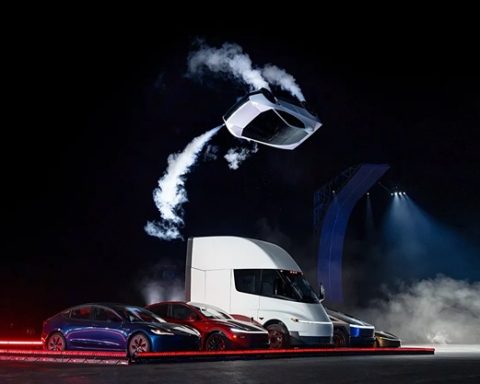
Indeed, Musk’s political efforts have already exacted a toll. As the South China Morning Post notes, Tesla shares dropped more than 14% on June 5, wiping out over US$150 billion in market value, after Musk publicly rebuked Trump and floated the idea of a third party. Global Tesla sales have suffered as well — including a 67% year-on-year plunge in France, where owners have sued Musk over reputational damage tied to his politics.
In Germany, Tesla’s sales dropped more than a third in May, even as the overall electric vehicle (EV) market grew. In China — where Tesla operates its largest gigafactory — sales fell 15% last month. And in the U.S., EV demand dipped 9% in Q1 2025 after Trump rolled back key green subsidies.
Musk has also faced backlash over his public support for far-right groups, notably the AfD in Germany, which not only failed to generate electoral gains but further tarnished his international brand. Greenpeace activists and pro-democracy demonstrators have targeted Tesla dealerships worldwide, underscoring the growing reputational cost of Musk’s political visibility.
Even Musk’s dramatic performance — wielding a chainsaw at the Conservative Political Action Conference to symbolize federal cutbacks — drew more ridicule than respect. Amid the turbulence, his exit from Trump’s government role in May has been widely viewed as a strategic retreat.
Speaking to the South China Morning Post, Garrett Nelson of CFRA Research said investors largely welcomed Musk’s withdrawal from Washington: “There’s been significant brand damage … Most investors want him to be focused on his businesses and less involved politically.”
Nelson added that while Musk may still hold influence, particularly due to his past financial support for Trump, his political capital is clearly diminished. Recent polls echo this sentiment — a Quinnipiac University survey showed Musk’s approval among Republicans fell 16 points in just three months.
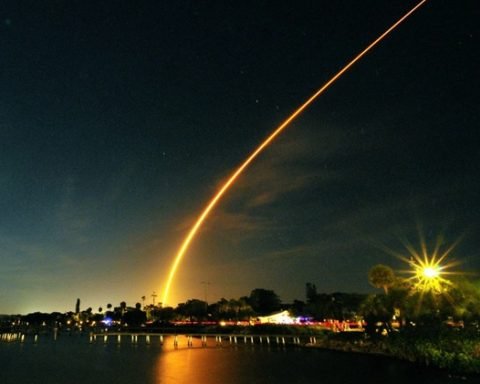
For now, Musk appears to be refocusing on Tesla and SpaceX. Insiders suggest he remains committed to leading Tesla for at least the next five years, and shareholders have rallied around his renewed business focus.
While the idea of The American Party may linger on social media, experts agree that Musk’s grand entrance into U.S. politics has, for the moment, ended with more disruption than achievement.