by Our Correspondent in Colombo
The European Union has expressed readiness to renew the coveted GSP+ trade concessions for Sri Lanka—but only if the island nation’s policies remain consistent with the scheme’s core human rights and governance standards.
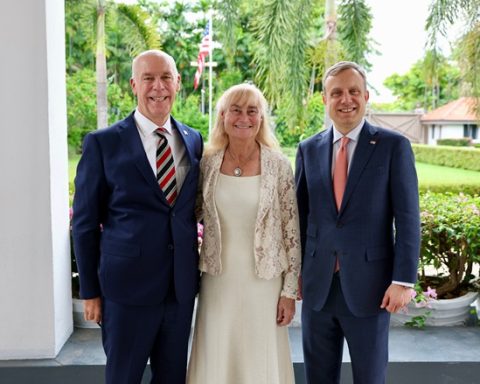
Charles Whiteley, Head of the South Asia Division at the European External Action Service, made the announcement during a high-level meeting today with President Anura Kumara Dissanayake at the Presidential Secretariat in Colombo.
“We are positively considering the renewal of GSP+,” Whiteley said, adding that Sri Lanka’s current policy trajectory would be crucial in finalizing the decision. He stressed that the EU’s assessment is based on the country’s adherence to 27 international conventions on human rights, labor rights, environmental protection, and good governance.
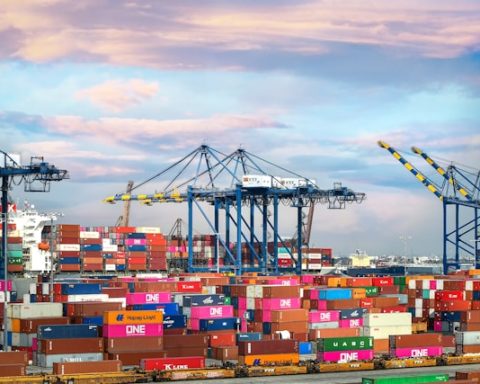
The EU’s GSP+ program grants developing countries like Sri Lanka preferential access to the European market—vital for key export sectors such as apparel and seafood. Renewal of the scheme could provide a much-needed boost as Sri Lanka continues to recover from a deep economic crisis.
Whiteley affirmed that the EU remains committed to supporting Sri Lanka’s trade development: “Sri Lanka has achieved significant commercial gains under this partnership, and we are ready to support further success, especially in producing high-standard, quality exports.”
President Dissanayake thanked the EU for its role during the economic collapse, stating, “Your support came at a critical time. The GSP+ scheme has not only benefited our exports, but also contributed to stabilizing the economy.”
He attributed the crisis to years of political mismanagement and corruption, and reiterated his commitment to establishing transparent, accountable governance. “Rebuilding a functioning state will take time,” the President admitted, “but we are on the path.”
Notably, Dissanayake emphasized that his government draws support from all communities—Sinhalese, Tamils, and Muslims—and is bound to fulfill the promises made to them. “Unlike past governments based solely on southern Sinhala votes, this administration was shaped by the collective will of the entire nation,” he added.
As the EU’s review continues, Sri Lanka stands at a critical juncture: the renewal of GSP+ could energize its export economy—but only if it stays the course on democratic reforms and human rights.