The European Union is preparing to sharply curtail Ukraine’s tariff-free access to its market, dealing a blow to Kyiv’s wartime economy just as it faces mounting financial strain from Russia’s continued aggression.
According to EU diplomats, the bloc will introduce strict new quotas on Ukrainian imports starting June 6, replacing the emergency measures enacted in 2022 that had granted most Ukrainian goods duty-free access to EU markets.
Those temporary concessions were designed to bolster Ukraine’s economy after Russia’s full-scale invasion. But with those arrangements set to expire, the European Commission has drafted “transitional measures” that will drastically scale back Ukraine’s duty-free agricultural exports — particularly maize, poultry, and sugar — while long-term trade talks remain unfinished.
The move, driven largely by pressure from Poland and other agricultural states, has sparked criticism across Brussels. Many fear it sends the wrong political message to Kyiv as it fights for its sovereignty and economic survival.
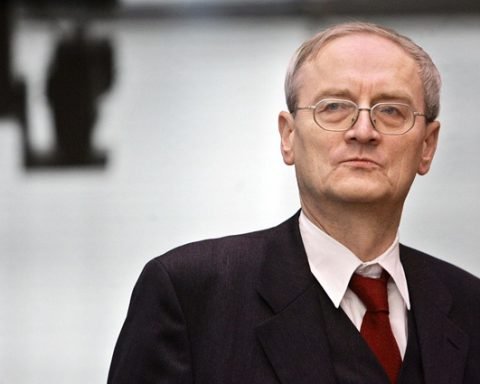
“It’s a really bad signal to Ukraine,” said Bernd Lange, chair of the European Parliament’s trade committee. “It will take at least until October to find a solution.”
Lange said his committee will question Commission officials this week over why the trade negotiations — long expected to conclude before the June deadline — have stalled. “The situation is really not acceptable,” he added.
Under the proposed transitional regime, the EU would not just reinstate tariffs, but also split the remaining duty-free quotas into monthly allotments — a move designed to limit sudden import surges. The annual maize quota, for example, would plummet from 4.7mn tonnes to just 650,000. Sugar would fall from 109,000 to 40,700 tonnes, while poultry would drop from 57,110 to 40,000 tonnes.
Ukraine’s government has warned that reverting to prewar trade conditions could slash national revenues by as much as €3.5bn annually. Mykhailo Bno-Airiian, trade representative for Ukraine’s employers federation, called the proposed changes “a huge step back.”
“What we see now is a lack of understanding,” he said. “We need predictable trade. The business is specific — poultry and sugar is sold fresh . . . you will be out of the market.”
The Commission, while confirming the June expiry of the current regime, said the review of Ukraine’s wider trade deal was ongoing. “The Commission is also looking into possible transitional measures in case the negotiations are not finalised and applied by June 6,” a spokesperson said.
Tensions have been particularly acute in Poland, where successive governments — under both centrist and nationalist leadership — have imposed unilateral bans on Ukrainian grain imports in violation of EU rules. Ahead of Sunday’s presidential election, Warsaw reportedly asked Brussels to delay formal trade talks with Kyiv to avoid fuelling support for nationalist candidate Karol Nawrocki, according to EU diplomats.
The current EU-Ukraine free trade agreement, in place since 2017, had already reduced many tariffs. But the emergency post-invasion measures removed most of the remaining barriers, enabling a surge of cheaper Ukrainian goods into the EU. While much of the trade was transitory — destined for African or Asian markets — EU farmers, particularly in Poland and France, accused Ukrainian imports of undercutting local prices.
The European Commission’s recalibration is an attempt to strike a balance between political solidarity with Ukraine and growing unrest in rural constituencies across the EU. But critics argue that the timing and substance of the rollback risk undermining that balance altogether.