A new audit report reveals deepening concerns over wasted land, unpaid dues and regulatory lapses within Sri Lanka’s flagship investment agency, raising fresh questions about the country’s ability to attract and manage foreign capital amid a fragile economic recovery.
Sri Lanka’s Board of Investment (BOI), long promoted as the engine for industrial growth and foreign investment, has been flagged for serious underperformance and administrative gaps in a report released by the National Audit Office. The 2024 annual audit, signed by Acting Auditor General Dharmapala Dhammanpila, found that thousands of acres in BOI-managed investment zones have remained unutilized, while substantial sums owed to the state have gone unrecovered for years. The findings arrive at a critical moment as the country seeks to rebuild investor confidence following years of economic turmoil and political upheaval.
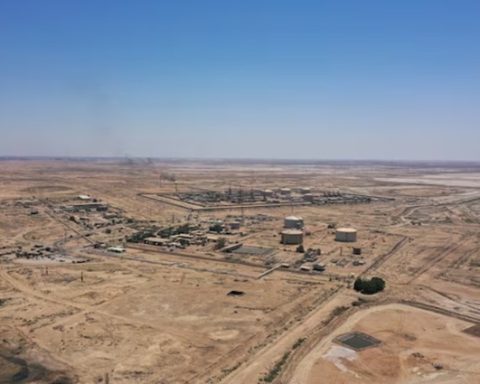
The report highlights that 1,834 acres of land across sixteen BOI investment zones have been left fallow, with no development or productive use recorded. This idle land sits amid a broader pattern of wasted capacity, as the audit also notes that 789 acres outside the designated zones have similarly remained vacant. The unutilized land represents not just lost economic opportunity but also a failure to convert Sri Lanka’s limited resources into job creation and export growth at a time when the nation is desperate for fresh investment and revenue.
Compounding the land issue is the persistent problem of unpaid dues owed to the state by institutions approved by the BOI. As of December 31, 2014, the audit found that more than Rs. 184 million had not been recovered from BOI-approved entities, marking a 25 percent increase from the previous year. Perhaps more troubling is that more than Rs. 380 million—equivalent to 21 percent of the total outstanding amount—had remained unpaid for over four years. Such long-standing arrears raise concerns about the BOI’s enforcement mechanisms and its capacity to ensure that approved investors meet their financial and contractual obligations.
The audit also casts doubt on the BOI’s role in environmental governance. The report states that the agency, which is entrusted with issuing environmental protection licenses in consultation with the Central Environmental Authority (CEA), granted licenses to 210 institutions across ten zones during 2023 and 2024 without obtaining the necessary consent from the CEA. This apparent bypassing of the mandated approval process exposes potential weaknesses in oversight and raises questions about the environmental standards being applied to investment projects, at a time when global investors are increasingly sensitive to sustainability and compliance.
For international observers, the findings may signal a deeper governance challenge within Sri Lanka’s investment framework. The BOI has historically been seen as a critical vehicle for driving foreign direct investment, especially in sectors such as manufacturing, tourism, and technology. Yet the audit suggests that the agency’s capacity to manage land, enforce financial obligations, and adhere to environmental regulations is being tested, even as Sri Lanka positions itself as an attractive destination for global investors.