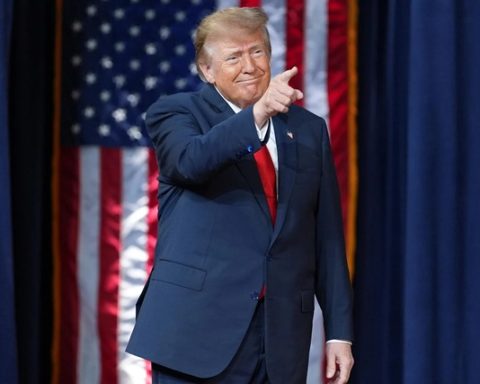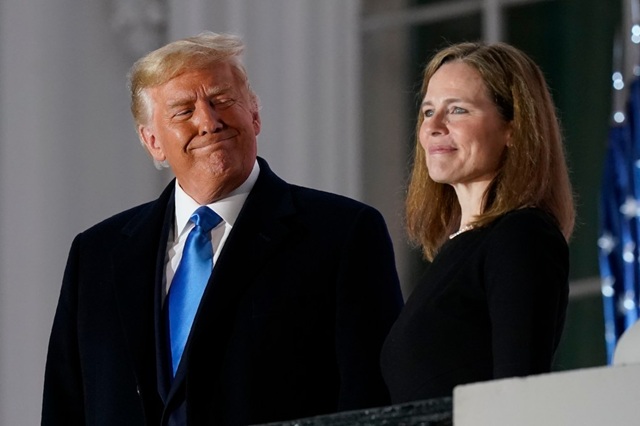
In a moment of legal and political history, President-elect Donald Trump was sentenced today in Manhattan for his conviction of falsifying business records in connection with a $130,000 hush money payment to adult film star Stormy Daniels. Judge Juan Merchan granted Trump an unconditional discharge, sparing him from a custodial sentence, fines, or probation. Despite the conviction, Trump will assume the presidency on January 20, becoming the first felon in U.S. history to hold the office.
Background of the Case
The case that led to Trump’s conviction began in 2016, during the heat of the presidential election. Stormy Daniels alleged she had an affair with Trump in 2006 at a Lake Tahoe celebrity golf tournament. Michael Cohen, Trump’s former lawyer and fixer, testified that he orchestrated the hush money payment to prevent damaging information from reaching voters. Prosecutors argued that this payment violated campaign finance laws and was concealed through falsified business records, leading to the 34 felony charges Trump faced in New York state court.
During the trial in May 2023, Daniels testified about the alleged affair, providing vivid details that became a media spectacle. Prosecutors presented evidence that Trump had ordered the payments and directed Cohen to create a cover story to protect his 2016 campaign. While Trump consistently denied the affair and called the trial a “witch hunt,” the jury found him guilty.
Legal and Political Fallout
The conviction adds to Trump’s sprawling legal troubles. Since leaving office in 2021, he has faced criminal charges in four jurisdictions:
- Classified Documents Case: In Florida, federal prosecutors charged Trump with mishandling national security documents.
- 2020 Election Interference: Federal charges were filed in Washington, D.C., accusing Trump of attempting to overturn the 2020 election results.
- Georgia Election Case: Trump was indicted under state racketeering laws for pressuring officials to overturn Georgia’s election results.
However, following his victory in the 2024 presidential election, Trump’s legal fortunes shifted. Federal charges were dropped by Special Counsel Jack Smith, and the Georgia case was paused indefinitely after a state court disqualified District Attorney Fani Willis due to conflicts of interest. The hush money case remains the only one to result in a conviction.
Judge Merchan emphasized that Trump’s sentencing reflected the unique constitutional protections afforded to the presidency rather than the man holding the office. He acknowledged the historic nature of the case, stating, “Never before has this court been presented with such a remarkable set of circumstances.”
Trump’s Reaction and Upcoming Presidency
Appearing remotely from Mar-a-Lago, Trump called the trial “a terrible experience” and reiterated claims that it was a politically motivated attack designed to damage his reputation. His lawyer, Todd Blanche, strongly criticized the case’s legitimacy, while prosecutors highlighted Trump’s disdain for the law and his attacks on the judicial process.
Trump’s supporters celebrated outside the Manhattan courthouse, waving banners proclaiming his innocence and political victory. Inside, Merchan concluded the sentencing by wishing the president-elect “Godspeed” as he prepares to take office.
Trump’s return to the White House on January 20 marks a stunning political comeback. Despite his felony conviction, Trump won the 2024 election against Vice President Kamala Harris with a decisive Electoral College victory. His win is only the second time since 1988 that a Republican has secured the popular vote.
As Trump prepares for his second term, the nation remains deeply divided. Critics warn that today’s ruling undermines accountability for public officials, while supporters view it as vindication of their leader’s claims of persecution. Trump’s upcoming inauguration promises to be as polarizing as the man himself, a felon president-elect stepping into the Oval Office under a cloud of controversy and historic precedence.