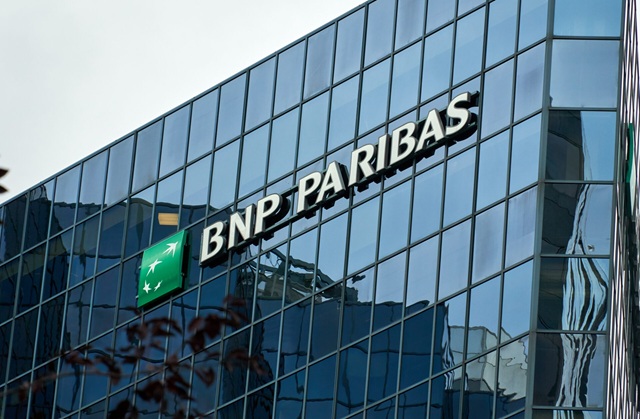
A Manhattan jury has ordered BNP Paribas to pay more than $20 million in damages to three Sudanese refugees, in a landmark case examining the bank’s role in facilitating the financial operations of Sudan’s former dictator, Omar al-Bashir. The verdict, reported by the Financial Times, could pave the way for far larger claims against the global bank.
The plaintiffs argued that BNP Paribas enabled Bashir’s government to access US financial markets and “petrodollars,” which were used to purchase weapons employed against civilians during a brutal campaign in the late 1990s and 2000s. Lawyers described the bank as providing a “blank cheque” to a regime that perpetrated mass killings and forced displacements.
The jury awarded $7.3 million, $6.7 million, and $6.75 million to the three refugees, marking a rare instance of a global bank being held liable in a US courtroom for human rights violations. Legal experts noted that this so-called bellwether verdict could open the door for thousands of additional claims, as more than 20,000 Sudanese refugees were included in the certified class of victims.
The case stems from BNP Paribas’s 2014 guilty plea to criminal charges for processing blacklisted funds from Sudan and other sanctioned countries through the US financial system, for which it paid a $9 billion penalty. The current civil trial highlights allegations that the bank’s actions directly contributed to Bashir’s organized campaign of violence.
“BNP knew of the genocidal use and chose to turn a blind eye of indifference to that human consequence,” said Michael Hausfeld, attorney for the plaintiffs. Analysts suggest that mounting pressure could push the bank to settle for amounts potentially reaching into the low billions, according to Bloomberg Intelligence.
BNP Paribas rejected the verdict, calling it “clearly wrong” and announcing its intention to appeal. The bank claimed the decision misinterpreted Swiss law and ignored key evidence, adding that the ruling should apply only to the three plaintiffs involved in the case.
The trial, which began last month in New York, comes nearly a decade after the lawsuit was first filed. Bashir’s rule saw repeated civil wars, resulting in millions of deaths and mass displacement. The former Sudanese leader faces charges from the International Criminal Court in The Hague, including crimes against humanity, war crimes, murder, torture, and genocide, and was ultimately deposed in a 2019 coup.