


by Our Correspondent in New Delhi
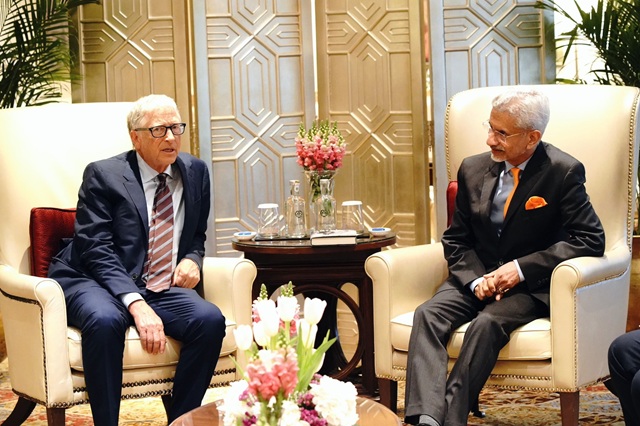
Bill Gates, the billionaire philanthropist and co-founder of Microsoft, is once again making headlines as he visits India to push his health and vaccination agenda. Known for his global efforts to improve public health, Gates’ involvement in India’s healthcare initiatives has stirred significant debate and controversy, particularly regarding the long-term impact on the country’s population.
During his visit, Gates continues to advocate for mass vaccination campaigns, but his approach has raised alarm bells among many who question whether corporate interests are being prioritized over the health and well-being of the Indian people. Below, we explore some of the most contentious aspects of Gates’ involvement in India’s healthcare strategies.
Polio Vaccines: A Double-Edged Sword
Gates and the Bill & Melinda Gates Foundation have long been vocal proponents of polio eradication in India. While their efforts contributed to significant progress in reducing polio cases, their push for the oral polio vaccine (OPV) has been met with controversy. Some critics argue that OPV’s widespread use has led to a rise in non-polio acute flaccid paralysis (NPAFP), a condition that mimics polio symptoms. With local needs and concerns often overlooked, many believe the campaign may have inadvertently caused more harm than good.
HPV Vaccines: A Deadly Experiment?
In 2009, Gates extended his health initiatives to the Human Papillomavirus (HPV) vaccine in India, targeting tribal children in Andhra Pradesh and Gujarat. Thousands of girls aged 10-14 were vaccinated in what many viewed as a testing ground for the vaccine. Months after the vaccinations, several girls fell seriously ill, and tragically, seven died by 2010. Investigations revealed that consent for the vaccinations was often obtained from hostel wardens, raising serious ethical concerns about the informed consent process. Critics argue that Gates used vulnerable populations as “guinea pigs” for his experimental health strategies.
Cow Vaccines: Ignoring Cultural Sensitivities
In another highly controversial move, Bill Gates funded a program aimed at vaccinating cattle in India. The intention was to reduce methane emissions and improve livestock health, but the program ignored an important cultural factor in India – the sacred status of cows in Hinduism. The push for methane-reducing vaccines sparked backlash from Hindu cow protection groups, who were concerned about the disrespect shown towards their religious beliefs. This move further raised questions about Gates’ disregard for local customs and cultural sensitivities when implementing his health initiatives.
India as a “Laboratory” for Health Experiments
Gates’ 2010 statement referring to India as a “laboratory” for testing his health initiatives sparked widespread outrage. In an interview, he described India as an ideal testing ground for his health strategies, an approach that many saw as condescending and disrespectful. To some, this statement reinforced a belief that Gates views India’s impoverished population as mere subjects for experimentation rather than a sovereign nation with its own health priorities.
GMO Seeds and the Bt Cotton Controversy
In addition to his health initiatives, Gates has also been a strong advocate for genetically modified (GMO) seeds, particularly Bt Cotton, which was introduced in India in the early 2000s. The introduction of GMO crops sparked controversy, particularly among farmers who faced issues with seed monopolies, increased costs, and environmental risks. Some critics even linked the widespread use of Bt Cotton to farmer suicides due to mounting debts and crop failures. The lack of proper education and support for farmers left many questioning the true benefits of Gates’ push for genetically engineered crops in India.
While Bill Gates’ philanthropic efforts have brought attention to critical health issues in India, his legacy remains highly contentious. From polio vaccinations and HPV trials to controversial cattle vaccines and GMO seeds, many argue that Gates’ initiatives have often prioritized corporate profits over the welfare of India’s citizens. As Gates continues his visit and promotes his health strategies, his presence in the country serves as a reminder of the complex and often problematic nature of global health interventions.
As debates continue about the true impact of Gates’ work in India, many are calling for greater transparency and respect for the country’s cultural and ethical considerations in future health campaigns. Only time will tell whether his initiatives will lead to long-lasting positive change or if they will leave behind a legacy of controversy and harm.











