Germany’s ruling coalition has disintegrated, leaving Chancellor Olaf Scholz to govern with a fragile minority composed of the Social Democratic Party (SPD) and the Greens. The collapse follows Chancellor Scholz’s decision to dismiss Christian Lindner, leader of the Free Democratic Party (FDP), from his role as finance minister after marathon talks failed to resolve ongoing fiscal disputes.
Lindner’s dismissal prompted an immediate withdrawal of FDP ministers from Scholz’s government, effectively ending the three-party ‘traffic-light’ coalition that had been in place since the 2021 elections. Christian Durr, the FDP’s parliamentary group leader, confirmed the party’s exit, describing it as a necessary step given the coalition’s deep-seated divisions over Germany’s economic direction.
The Green Party, while expressing regret, announced it would continue to support Scholz in a minority government. Vice Chancellor and Economy Minister Robert Habeck, speaking alongside Foreign Minister Annalena Baerbock, called it a “tragic” moment for German politics. “On a day like this, when Germany must show unity and the ability to act in Europe, this feels wrong,” Habeck said.
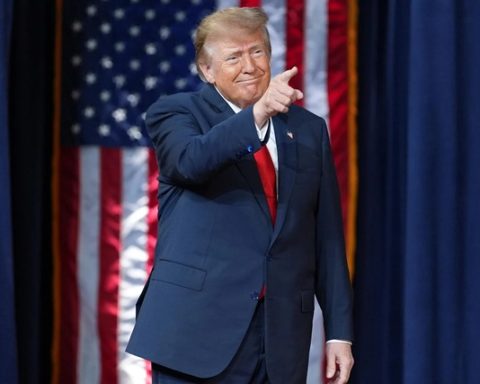
Baerbock echoed his sentiments, calling it “not a good day for Germany and also not a good day for Europe.” The timing of the government’s collapse, she noted, is especially concerning given the election of Donald Trump as U.S. president and the potential geopolitical shifts on the horizon.
The rift between Scholz and Lindner was largely fueled by disputes over how to tackle Germany’s projected multibillion-euro budget deficit. Scholz accused Lindner of obstructing crucial fiscal legislation, particularly measures that would allow for increased support for Ukraine. “All too often, Minister Lindner has blocked laws in an inappropriate manner,” Scholz remarked, citing Lindner’s refusal to ease spending restrictions.
Lindner fired back, asserting that Scholz’s administration had been ignoring the economic realities faced by German citizens. “Olaf Scholz has long failed to recognize the need for a new economic awakening in our country,” Lindner said, warning that inaction could worsen Germany’s economic challenges.
In the wake of the coalition’s collapse, Scholz announced plans to reach out to Christian Democratic Union (CDU) leader Friedrich Merz, suggesting a possible collaboration with the opposition to stabilize the government. “In light of the U.S. election, this is perhaps more urgent than ever,” Scholz stated, emphasizing Germany’s need for political continuity.
While some political figures seek compromise, the collapse has been welcomed by the far-right Alternative for Germany (AfD) party, which described it as a long-overdue “liberation” from what it labeled an ineffective coalition. “We now urgently need a fundamental political fresh start to lead the economy and the country out of the severe crisis,” AfD leaders Alice Weidel and Tino Chrupalla said in a joint statement on X.
A vote of confidence in the Bundestag is scheduled for January 15, 2025. If Scholz fails to secure support, he could formally request that the president dissolve the Bundestag and call for new elections. This could potentially move Germany’s parliamentary elections up from autumn 2025 to March, creating an opportunity for voters to shape the direction of Germany’s political and economic future amid pressing European and global challenges.