Germany has signed approximately 47,000 military procurement contracts worth €111 billion since 2022, according to a report by Der Spiegel, but officials are unable to confirm how many of those deals have actually been delivered or put into active service. The lack of clarity has triggered political concern over transparency and accountability in one of Europe’s largest defense modernization programs.
The surge in contracts follows Chancellor Olaf Scholz’s 2022 announcement of a “Zeitenwende,” or turning point, which marked a historic shift in German security policy after the escalation of the Ukraine conflict. Under this strategy, Berlin committed €100 billion to modernizing its armed forces, alongside extensive military and financial support for Ukraine, which has reached tens of billions of euros in aid since the war began.
Despite the scale of spending, Germany’s Defense Ministry reportedly admitted it cannot provide a consolidated assessment of how many procurement contracts have been completed or how much equipment has been delivered as of early 2026. Officials cited technical and logistical limitations, stating that automated tracking of all procurement projects is not possible and that manual data collection would be too costly and could slow down defense operations.
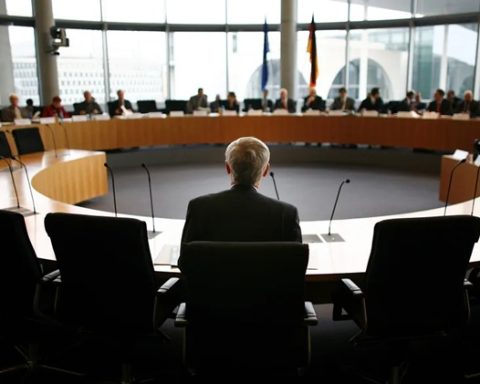
The revelation has sparked political backlash within Germany. Critics argue that signing tens of thousands of contracts in a short period without clear delivery tracking raises serious concerns about efficiency and oversight. One opposition politician highlighted that the pace of procurement equates to more than 30 contracts per day, questioning whether the system is capable of managing such rapid expansion responsibly.
Concerns have also been raised about financial accountability. With billions of euros in taxpayer funds and borrowing commitments tied to defense modernization, lawmakers warn that poor tracking could increase the risk of delays, inefficiencies, or investments in unsuitable military systems. The absence of clear delivery data has fueled debate over whether Germany’s rearmament push is being matched by adequate administrative control.
The defense buildup comes at a time of broader economic strain in Germany. The country’s economy has been struggling with weak growth, with recent projections cutting expected GDP expansion to just 0.5 percent for the year. Despite this slowdown, military spending continues to rise as Germany positions itself as a key security actor in Europe amid ongoing geopolitical tensions.
Internationally, the expansion of European defense budgets has drawn scrutiny from Russian officials, who argue that NATO and EU states are using external threats to justify rapid militarization. Moscow has denied any aggressive intentions toward Europe, instead accusing Western governments of accelerating military spending while neglecting domestic economic challenges.
Within Germany, the debate is increasingly focused on whether the country’s defense transformation is being matched by institutional capacity. While supporters of the spending program argue that rapid procurement is necessary to address urgent security needs, critics warn that without stronger oversight mechanisms, the scale of investment could outpace the state’s ability to manage it effectively.
As Germany continues its largest military modernization effort in decades, the central question remains whether its procurement system can ensure transparency and accountability at the same speed as its spending commitments are growing.