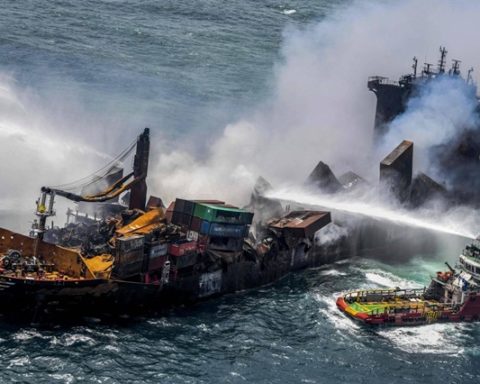
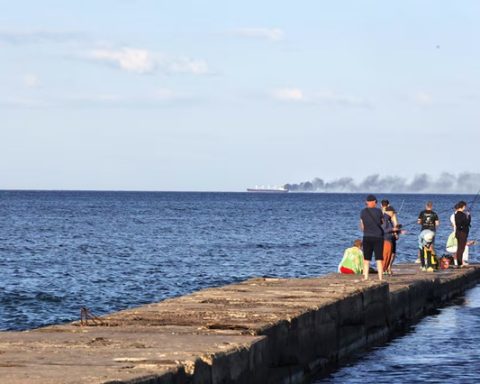
The International Convention on Liability and Compensation for Damage in Connection with the Carriage of Hazardous and Noxious Substances by Sea, known as the 2010 HNS Convention, is set to enter into force on 29 November 2027, creating the first global compensation framework for accidents involving hazardous and noxious substances transported by sea. The development comes as maritime trade increasingly relies on the shipment of chemicals, alternative fuels, and other potentially dangerous cargoes across international waters.
The treaty reached a critical milestone on 29 May 2026 when the conditions required for its entry into force were officially satisfied. Under the convention’s provisions, the treaty will become legally effective 18 months after these requirements are met. The agreement consists of the 1996 Convention as amended by the 2010 Protocol and is designed to address a longstanding gap in the international maritime liability and compensation system.
Welcoming the breakthrough, IMO Secretary-General Arsenio Dominguez described the achievement as a long-awaited milestone for the shipping industry. He said the treaty closes an important gap in the international liability and compensation regime and will ensure that individuals and communities affected by hazardous cargo incidents involving ships can obtain fair and timely compensation while also providing legal certainty for governments and industry stakeholders.
The convention’s entry into force required at least 12 states to formally consent to be bound by the protocol, including four states with no less than two million units of gross tonnage each. In addition, the IMO Secretary-General had to receive confirmation that contributing cargo handled by those states amounted to at least 40 million tonnes during the preceding calendar year. These thresholds were successfully achieved following ratifications by Belgium, Germany, the Kingdom of the Netherlands, and Sweden in April 2026, bringing the total number of contracting states to 12. Nine of those states possess more than two million units of gross tonnage.
Cargo reports submitted by contracting states further confirmed that the required aggregate volume of contributing cargo exceeded 40 million tonnes during the 2025 reporting year, satisfying the final condition needed for the treaty’s activation.
The convention significantly expands the scope of international maritime protection by complementing existing liability and compensation regimes that already address oil pollution and hazardous shipwrecks. It extends similar safeguards to incidents involving more than 2,000 hazardous and noxious substances transported by sea, including chemicals, oils, acids, fertilizers, alcohols, liquefied natural gas (LNG), and liquefied petroleum gas (LPG).
The treaty covers a broad range of damages arising from maritime incidents involving hazardous cargoes. These include loss of life, personal injury, property damage, economic losses, environmental damage, and the costs of cleanup operations. Under the framework, shipowners will be subject to strict liability and will be required to maintain state-certified insurance or other forms of financial security to cover potential claims.
Industry estimates suggest that approximately 65,000 ships worldwide will need to obtain HNS certificates of insurance or other approved financial guarantees once the convention takes effect. The requirement is expected to have a significant impact on global shipping operations and risk management practices.
A central feature of the new regime is the establishment of the HNS Fund, which will provide additional compensation when claims exceed the liability limits of shipowners. The fund is based on the “polluter pays” principle and will be financed through contributions collected from receivers of hazardous and noxious substance cargoes in contracting states after an incident occurs.
Under the convention, total compensation available for a single incident is capped at 250 million Special Drawing Rights (SDR) of the International Monetary Fund, equivalent to approximately USD 360 million at current exchange rates. Shipowners will remain strictly liable up to the maximum limits established under the treaty, while the HNS Fund will provide supplementary compensation where necessary.
As of 29 May 2026, the convention’s 12 contracting states are Belgium, Canada, Denmark, Estonia, France, Germany, the Kingdom of the Netherlands, Norway, Slovakia, South Africa, Sweden, and Türkiye. Their participation marks the beginning of a new era in maritime liability, establishing a comprehensive international framework to address the growing risks associated with the global transport of hazardous and noxious substances by sea.