Tensions between China and the Philippines have intensified following fresh accusations by the Philippine Coast Guard that Chinese vessels used water cannons against Philippine government ships for a second consecutive day near the disputed Scarborough Reef in the South China Sea. Philippine authorities also alleged that Chinese vessels carried out dangerous manoeuvres during the incident, making it the third confrontation between the two countries in the disputed waters this week.
The Philippine Coast Guard condemned what it described as the “dangerous and unprofessional conduct of the Chinese Coast Guard”. According to Philippine officials, Coast Guard vessels were directly struck by water cannons, while two additional government ships were manoeuvred into situations where collisions were narrowly avoided. No injuries were reported. The agency also released videos that it said showed the incident.
Philippine Coast Guard spokesperson Jay Tarriela said the reef is a traditional fishing ground for Filipinos “whose rights cannot lawfully be curtailed by any foreign power”. Philippine authorities also reiterated that the Scarborough Reef, located about 220 kilometres west of the country’s main island of Luzon, is “an integral part of Philippine territory”.
China also claims sovereignty over the reef. In response to the Philippine allegations, the Chinese Coast Guard said it had carried out lawful “control measures” against Philippine vessels that it said had been operating “illegally” in the waters.
The sovereignty dispute over the Scarborough Reef, which China refers to as Huangyan Island, remains unresolved. In 2016, an international arbitration tribunal established following a case brought by the Philippines ruled largely in favour of Manila, finding that China’s blockade of the reef violated international law. Beijing has rejected the ruling and does not recognise its validity.
China has maintained control of the reef for years and deploys part of its Coast Guard fleet there as part of its wider operations across the South China Sea. The Chinese government claims sovereignty over nearly the entire sea, including areas that fall within the exclusive economic zones claimed by Brunei, Indonesia, Malaysia, the Philippines and Vietnam.
The latest confrontation occurred on the sidelines of a meeting of Southeast Asian foreign ministers in the Philippine capital, Manila, attended by Chinese Foreign Minister Wang Yi and US Secretary of State Marco Rubio.
During the meeting, Rubio described China’s actions in the South China Sea as “disturbing” and reaffirmed US support for the Philippines, underscoring the international significance of the ongoing maritime dispute.
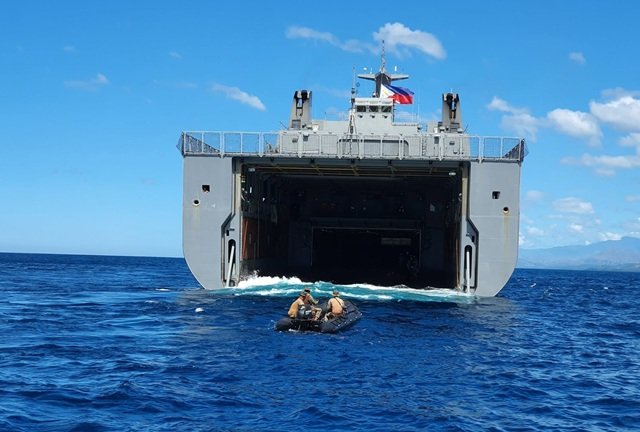
The latest incident follows another confrontation earlier this week at the similarly disputed Second Thomas Shoal, where a sailor was injured. China accused the Philippine Navy of ignoring warnings and attempting to ram a Chinese patrol vessel during that encounter.
The competing accounts have further strained relations between Beijing and Manila. Following the incident at Second Thomas Shoal, both countries summoned each other’s ambassadors to lodge formal diplomatic protests, highlighting the increasingly confrontational nature of the dispute.
The succession of incidents around the Scarborough Reef and Second Thomas Shoal illustrates the continuing tensions over competing territorial claims in the South China Sea, where overlapping sovereignty claims remain a persistent source of friction between China and several Southeast Asian nations.