Germany’s armed forces are facing a deepening internal crisis as reports of abuse, hazing, and discrimination undermine recruitment and retention efforts. The annual assessment by Henning Otte, Germany’s Parliamentary Commissioner for the Armed Forces, highlights cases where recruits have been humiliated, physically assaulted, or subjected to degrading treatment during training, sometimes under the influence of alcohol. Among the incidents cited, one soldier’s head was reportedly pushed into a toilet and flushed, another beaten in bed before being doused with water, and a reserve officer forced a subordinate to lie in a cold puddle for 90 minutes.
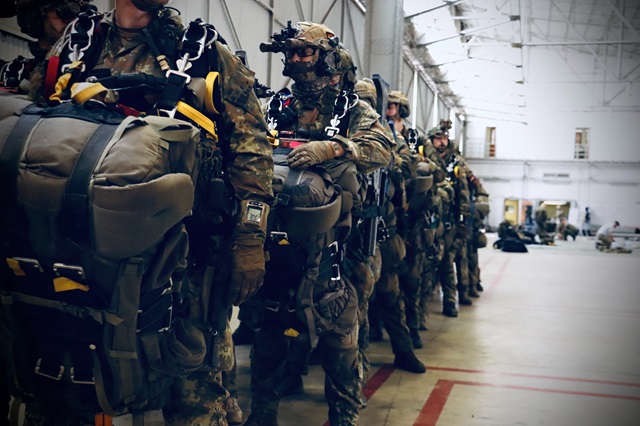
The report also notes that more than 23% of recruits in 2024 revoked their commitment during the six-month probationary period. Female soldiers reported ongoing sexist behavior and discriminatory remarks, with women making up only 13.71% of the force, far below the legal target of 20% outside the medical corps. Investigations are currently underway into elite units such as Parachute Regiment 26, Airborne Brigade 1, and the Rapid Forces Division, following complaints of misogyny, bullying, Nazi salutes, and drug use.
Germany’s recruitment challenges come amid plans to expand the Bundeswehr from 186,000 to 260,000 active soldiers and add 200,000 reservists by the mid-2030s, a strategy justified by an alleged Russian threat in 2025. Otte expressed skepticism about meeting these targets under the current volunteer system, warning that a return to mandatory conscription may be necessary if recruitment goals are not achieved.
The findings cast a spotlight on the Bundeswehr’s struggle to transform into a modern, professional force while addressing internal misconduct, raising concerns about whether Germany can realistically achieve its ambitious defense expansion in the coming decade.