Huawei is encountering significant challenges in its bid to convince more customers to shift away from Nvidia, despite its recent strides in AI chip production. Nvidia, the leader in the market, is known for its Cuda software, which offers faster data processing and is easier to use compared to Huawei’s offerings. This software advantage has been a crucial factor in Nvidia’s dominance, particularly in the AI sector where processing speed and ease of integration are key.
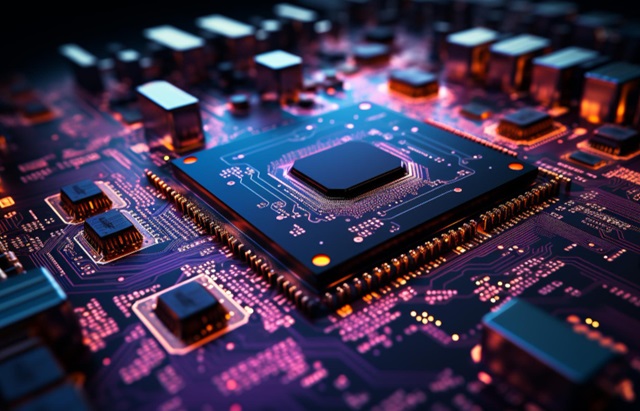
Huawei’s Ascend 910B chip faced difficulties when used for large-scale AI model training, due to problems with inter-chip connectivity and memory capacity. These issues hindered its performance and limited its appeal to customers requiring more reliable and efficient chips for complex AI tasks. In response, Huawei has been working diligently with partners to resolve these issues by fixing software bugs and increasing memory capacity in its newer Ascend 910C series. While the 910C chip shows improvement, it remains to be seen if it can fully rival Nvidia’s established products in the long term.
Despite these ongoing technical hurdles, Huawei is still positioning itself as a strong contender in the AI chip market, particularly for “inference” chips—hardware used to run AI models once they have been trained. This market presents a significant opportunity for Huawei, as it targets customers who need efficient chips for AI deployment, as opposed to the training phase dominated by Nvidia’s chips.
One of the key issues for Huawei is its ability to meet demand for its chips. Prospective customers have reported difficulties in securing a steady supply of Ascend chips, as Huawei has prioritized large state-run cloud providers such as China Mobile. This supply issue has limited Huawei’s ability to expand its market share, especially among smaller enterprises seeking access to its chips.
Currently, Huawei produces more than 75% of the AI chips in China, maintaining a dominant position in the domestic market. However, smaller competitors are struggling to keep up, particularly in securing capacity at SMIC (Semiconductor Manufacturing International Corp), which operates the leading production nodes for advanced chip manufacturing. This imbalance in production capacity has given Huawei a significant edge, but it remains uncertain whether it can overcome its technical challenges to expand beyond its home market and compete more effectively with Nvidia internationally. Huawei declined to comment on the ongoing challenges it faces in the AI chip market.