For the families, the publication of the findings has not brought an end to the consequences of the deaths. Zainab Salihu, whose son was among the 37 miners who died in custody, said the family had wanted only his safe return. “What we wanted was for our children to be alive and return to us,” she told Reuters.
Salihu said the deaths had also affected her husband’s health and that he subsequently died. Reuters was unable to verify the circumstances surrounding his death. The family is now facing the loss of two members, while the prospect of financial compensation offers little comfort. “No matter how much money they give us, it will never bring our children back,” she said.
Another bereaved father, Dantala Tanko, is struggling to accept the death of his 25-year-old son, Suleiman. After praying at his son’s grave, he described the difficulty of coming to terms with the loss. “Now he is gone, and this is deeply painful for me. I know he will never return,” he said.
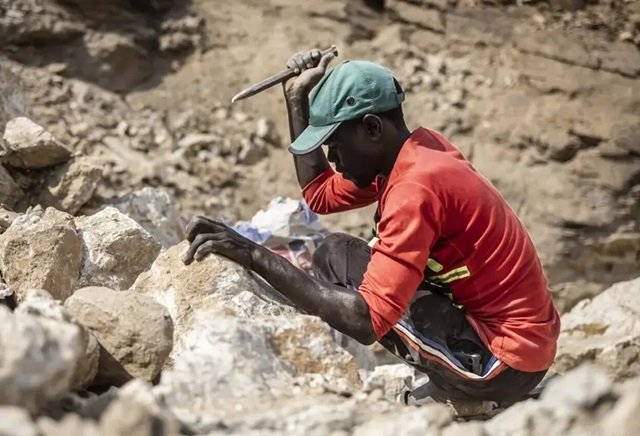
The deaths occurred last month after suspected illegal miners were arrested and detained by the Nigeria Security and Civil Defence Corps (NSCDC) in Niger State. The incident, which included the deaths of teenagers, prompted protests and public concern over detention conditions and the treatment of suspects awaiting trial.
A presidential investigative panel, which presented its findings on Tuesday, 27 October, attributed the deaths to overcrowding, extreme heat, dehydration and neglect. Its investigation identified serious failures in the conditions under which the detainees were held, placing responsibility for the circumstances surrounding the deaths on the detention arrangements and the treatment of those in custody.
The findings have given the families and survivors an official account of what happened, but they are now demanding that the investigation lead to concrete action against those responsible. Several survivors have welcomed the panel’s conclusions while insisting that disciplinary measures and legal accountability should follow.
Dauda Shehu, 25, said officers responsible for disregarding the lives of detainees should not remain in positions of authority. “Officers who demonstrate such disregard for human life should not remain in positions of authority. They must be held accountable, and appropriate disciplinary action should be taken,” he said.
The Nigerian government has welcomed the panel’s findings. Interior Minister Olubunmi Tunji-Ojo said the report had been forwarded to the attorney-general for immediate judicial action. However, he did not respond to requests for comment on when the families of those who died and the surviving detainees would receive compensation.
The question of compensation remains particularly important for families who have lost their primary sources of support and for survivors seeking to resume their lives. The government has yet to provide a clear timetable for delivering the promised assistance.
Abdulsalam Yakubu, 23, said the government’s response had been slow. He also wants the authorities to return property allegedly seized during the arrests, including motorcycles, mobile phones, mining equipment and gold. For survivors, the return of these possessions is a separate demand from compensation and accountability, and one that could help them recover some of what they lost.
“We have suffered enough. We are asking for justice, the promised support, and the return of our property so that we can begin to rebuild our lives,” Yakubu told Reuters.
The demands come amid wider concerns about the treatment of people held in Nigerian detention facilities, particularly suspects who have not yet been tried. The deaths have brought renewed attention to the responsibilities of security agencies in safeguarding detainees and ensuring that detention conditions do not expose them to preventable harm.
For the bereaved families, however, the immediate priority remains justice for those who died. The panel’s findings have established overcrowding, extreme heat, dehydration and neglect as the causes of the deaths, while the government’s referral of the report to the attorney-general has opened the way for judicial action. Whether that process will deliver accountability and the promised support remains unresolved.
Tanko’s account of losing his son captures the personal cost of the incident. “Now he is gone, and this is deeply painful for me. I know he will never return,” he said.