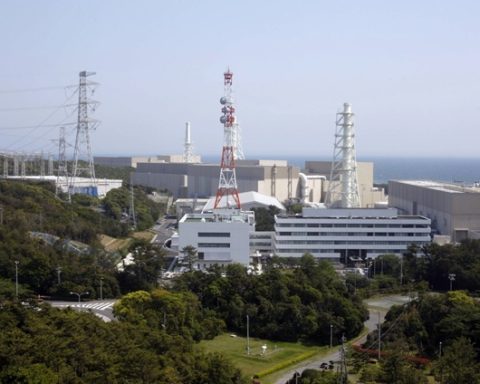
Rafael Grossi, Director General of the IAEA, informed the UN Security Council on Friday that while radiation levels outside the Natanz complex remain within normal limits, the interior of the facility is now contaminated with both radioactive and chemical substances. Grossi revealed that uranium isotopes are likely dispersed throughout the site and identified alpha radiation — particularly dangerous if inhaled or ingested — as the primary concern.
“This risk can be effectively managed with appropriate protective measures,” Grossi noted, but emphasized that chemical toxicity currently presents the greatest threat within the facility.
The alert follows an Israeli strike earlier this week that reportedly caused a major power outage at Natanz, Iran’s largest uranium enrichment plant. In a separate interview with the BBC, Grossi stated it is “likely” that all of the roughly 15,000 operational centrifuges at the site were severely damaged or destroyed as a result.
Satellite imagery analyzed by the Institute for Science and International Security, led by David Albright, corroborated reports of widespread destruction. The images show that Israel’s Air Force successfully targeted the above-ground Pilot Fuel Enrichment Plant, though initial evidence suggested bunker-busting bombs were not used on the heavily fortified underground halls. However, a follow-up strike later in the week appears to have impacted some of these subterranean areas as well.
Experts believe Israel employed a sophisticated method, hitting electrical infrastructure above ground to indirectly disable centrifuge operations located deep below.
The incident at Natanz is part of a broader escalation in the conflict between Israel and Iran, which has included airstrikes, covert operations, and cyberattacks. The IAEA’s warning comes amid mounting international concern over the risks to nuclear facilities across Iran as hostilities continue.
Grossi extended his caution to other critical sites, including the Bushehr nuclear power plant on the Gulf coast. He warned that any direct hit on Bushehr could trigger a “very high release of radioactivity to the environment,” especially if the plant’s only two power supply lines were disabled, potentially causing a reactor meltdown.
Even a strike on a smaller research reactor near Tehran, he said, could necessitate widespread emergency measures to protect the capital’s population.
The IAEA’s statements add urgency to international diplomatic efforts to de-escalate the conflict and ensure the protection of nuclear infrastructure in the region. Grossi concluded his remarks with a plea to all parties to refrain from targeting nuclear facilities, warning that “the consequences of such actions could be catastrophic — not just for Iran, but for the region and beyond.”