


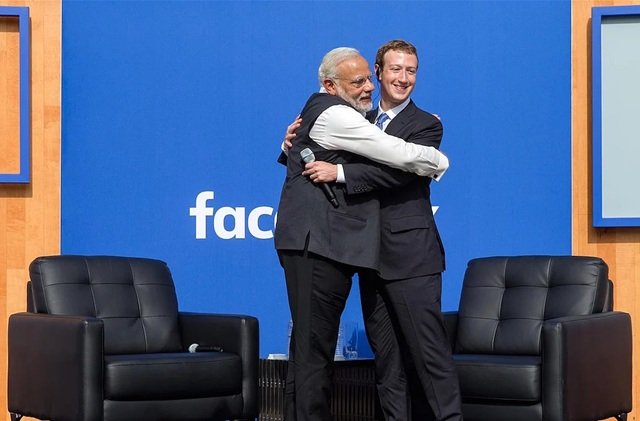
India has warned Meta that it could lose the legal protections available to online intermediaries after the temporary removal of Prime Minister Narendra Modi’s Facebook reel, with Parliamentary Standing Committee on Communications and Information Technology chairman Nishikant Dubey demanding a personal apology from Meta chief executive Mark Zuckerberg.
The remarks were made during a committee meeting on Monday attended by senior representatives from Meta, Google, YouTube, X and Snapchat, alongside officials from the Ministry of Electronics and Information Technology (MeitY) and the Ministry of Home Affairs (MHA). The meeting was convened after Meta briefly removed Modi’s Facebook reel, prompting the government to seek an explanation from the company.
Addressing reporters after the meeting, Dubey described the incident as a serious matter and alleged that the platform’s actions reflected an attempt to undermine the country. “Meta’s mindset is to destabilise the country. PM Modi’s video was taken down from 12.30 am to 5 am. This is a very serious issue. Our committee has said two things — the apology must come from Mark Zuckerberg or else we will take back the safe harbour given to Meta under Section 79,” he said.
The Facebook reel, uploaded on July 23, focused on nationwide protests over the NEET-UG paper leak and outlined measures proposed by the government, including legislation to establish fast-track courts and impose stricter punishments on those involved in examination paper leaks. The temporary removal of the video triggered questions from lawmakers over the platform’s content moderation processes and the safeguards governing high-profile public communications.
Section 79 of India’s Information Technology Act provides intermediaries with immunity from liability for third-party content hosted on their platforms, provided they comply with due diligence obligations and lawful directions issued by the government. Dubey indicated that the committee was prepared to reconsider these protections if its concerns were not adequately addressed.
According to Members of Parliament who attended the meeting, Meta apologised for the incident and attributed the removal of the Prime Minister’s reel to an algorithmic error. One MP said a Meta executive acknowledged the mistake, assured lawmakers that similar incidents would not recur and stated that the company would amend its algorithm. Meta did not respond to a request for comment.
The meeting also exposed differing political views on how digital platforms should be regulated. Opposition MPs opposed any move to revoke Meta’s safe harbour protections, while expressing support for stronger measures to tackle child sexual abuse material (CSAM), deepfakes and cyber fraud. They argued that criticism of the government should not be equated with anti-national activity and cautioned against measures that could undermine democratic discourse.
“We are talking about regulating technology and not democracy. This is regulation and not censorship,” one Opposition MP said, adding that the government was attempting to portray student protests as anti-national while blaming social media algorithms for amplifying them.
According to Dubey’s opening remarks, the committee’s review extended beyond the removal of the Prime Minister’s post. Lawmakers examined issues including cyber fraud, misinformation, deepfakes, AI-generated content, platform transparency and compliance with Indian laws. The committee also sought a complete audit trail covering the removal and subsequent restoration of Modi’s Facebook reel and asked Meta to explain the safeguards it had introduced to prevent similar incidents in the future.









