Iran’s prolonged silence over damage sustained at nuclear sites hit by Israeli and US strikes is fueling growing concern about the status and location of its near-bomb-grade uranium, according to a new report from the United Nations nuclear watchdog. The International Atomic Energy Agency confirmed it has been unable to verify Iran’s fuel stockpile since mid-June, marking the first official update since the UN Security Council reimposed sanctions demanding Tehran halt enrichment activities.
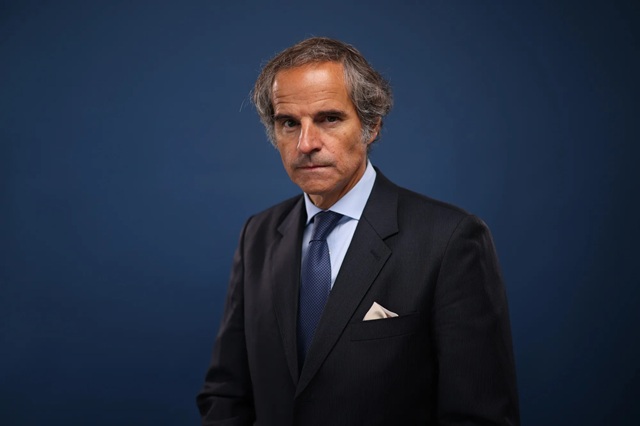
IAEA Director General Rafael Mariano Grossi warned that the agency’s lack of access to the nuclear material for five months means verification is “long overdue” under standard safeguards practice. He described Iran’s failure to inform inspectors of the uranium’s whereabouts as a “matter of serious concern.” Satellite imagery has shown that attacks by Israel and the US destroyed much of Iran’s surface-level nuclear infrastructure, but also limited decades of access for UN inspectors across Tehran’s extensive atomic complex.
For decades, Western nations have closely monitored Iran’s nuclear work, which dates back to the 1950s, and tensions over its program have repeatedly disrupted global oil markets and sparked cycles of negotiation and conflict with the United States. Iran continues to deny any intention of developing nuclear weapons, claiming its accelerated uranium enrichment is a response to US sanctions imposed after President Donald Trump withdrew from the 2015 nuclear deal.
Grossi emphasized that the IAEA “will not be in a position to provide assurance that Iran’s nuclear program is exclusively peaceful” until Tehran increases cooperation. The June bombings by the US further derailed ongoing negotiations with Washington, and Iran has since insisted it will not return to talks without guarantees that its nuclear facilities will not be targeted again.