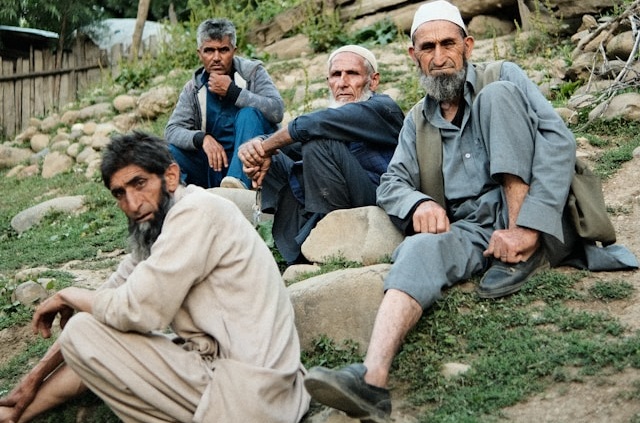
The abrogation of Article 370 in 2019 has been a long time coming for Indian Prime Minister Narendra Modi’s government, which has long touted it as a step toward turning Jammu and Kashmir into a progressive, investment friendly place. By getting rid of this constitutional provision, which conferred a special autonomy on the region, it was hailed as a brave step that would lead to development of the economy, development of infrastructure and a better future for the people of Kashmir. But this policy has had little to show for it in recent years. Rather, it has resulted in greater repression by the state, human rights abuses, economic stasis, and, worst of all, a persistent climate of instability that scares off both domestic and international investment.
The Broken Promise of Development
The idea that Jammu and Kashmir was going to undergo a massive change was at the heart of Modi’s rhetoric following the abrogation of Article 370. The government’s narrative was that removing the special status would clear the way for huge investments, better infrastructure, and development overall in the region. Modi’s government asserted that integrating Jammu and Kashmir into India’s mainstream economy wholely would mean the region would finally be able to benefit from the same progress that is happening in other parts of the country.
But this vision has not come to pass in the real world. However, the region has experienced economic challenges rather than ushering it in prosperity. The long standing conflict has already been hurting Kashmir’s economy but it has worsened further. Tourism, a key sector in a tradition such as this, where it is often thought of as the lifeblood of the local economy, has suffered a sharp decline. In fact, the abrogation of the special status has led to a drop of 45 per cent in tourism revenue in the region, and the global community’s trust in Kashmir’s stability has been devastated. For the region to be economically stagnant and politically volatile, is the inability to restore normalcy and ease the widespread fears.
The lack of any major foreign investment in the region is one of the most telling signs of Modi’s Kashmir policy backfiring. None of the promise that abrogation of Article 370 will bring in plenty of investment has been fulfilled. But despite government’s optimism, no Fortune 500 company or major international investor has so far come forward to set up operations in Jammu and Kashmir. What this lack of investment tells you is about how much the global business community is concerned about the instability of the region.
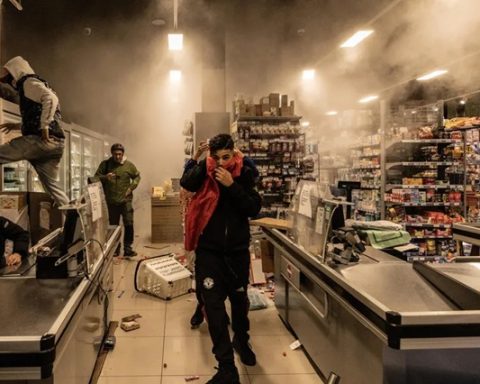
With almost 0.8 million troops in the area, under the constant of curfew, daily crackdowns and internet blackouts, it’s not much of a business friendly region. For instance, it is well known that global corporations steer clear of any region with a significant military presence, many security incidents and continuous civil unrest. These harsh realities on ground have shattered the credibility of Modi’s claims of normalcy. The unstable environment in the region has kept away potential investors and it is obvious that the government’s promise of a thriving business hub in Kashmir is just a fairy tale.
Human Rights Violations
Another major factor that makes Modi’s policy in Kashmir no more viable is the ongoing human rights violations, which have been documented by international organizations. The region — which Amnesty International has repeatedly warned suffers from widespread abuse of basic rights — has been a source of alarm for the United Nations as well. Military forces are still present and the suppression of dissent is creating an atmosphere of fear and repression. Reports say thousands have been detained without trial and that free expression and movement are still being stifled from the everyday lives of Kashmiri citizens.
This provides global scrutiny over India’s treatment of Kashmiris. Human rights organizations have widely condemned continued use of force, arbitrary arrests, and widespread surveillance. The repeated violations have heightened distrust abroad of Modi’s way of doing business, making it even harder for his government to attract foreign investors. There is reluctance by corporations and individuals alike to invest in a region where human rights abuses are happening all the time, particularly when the issue is picked up by credible international human rights watchdogs.
Kashmir’s militarization is one of the key factors preventing any meaningful economic growth in the region. With approximately 700,000 Indian troops stationed in Kashmir, the region is one of the most militarized areas in the world. The frequent security operations, curfews, and military crackdowns have created an environment where both local businesses and international corporations are reluctant to make long-term investments.
In addition to the heavy military presence, over 700 internet shutdowns were reported in 2020 alone, further highlighting the region’s communication blockade. These shutdowns are not just a matter of inconvenience but have serious economic repercussions, particularly for businesses that rely on the internet for day-to-day operations. The ongoing restrictions on the flow of information and the inability to conduct business without fear of disruption have deterred investors from looking at Kashmir as a potential hub for development. The global community is well aware that such an environment, marked by unpredictable security incidents and strict surveillance, is not conducive to sustainable economic growth.
Failed Investment Summits
Trying to entice investment, Indian government held a series of investment summits to highlight what Jammu and Kashmir offered to investors post-abrogation. But these efforts have been for the most part unsuccessful. Private sector participation at these summits have reportedly dropped by 75%, a clear sign of lack of confidence in the region’s future. It is simply too dangerous and counterintuitive for many businesses to see an opportunity for growth in a country where armed resistance, civil unrest and military operations are daily reality.
After the abrogation of Article 370, there have been over 2,300 security incidents, in the form of protests, attacks and armed clashes. They are grim reminders of the deep rooted opposition to Indian rule in Kashmir, and that the government cannot put this resistance down. Modi claims that Kashmir is peaceful and stable, but it is a place of violence and unrest, and there’s no indication of the situation taken a turn for the better anytime soon.
Modi’s Kashmir policy was a failure and framed as a catalyst for economic growth but it hasn’t really done anything. Instead of bringing prosperity to the region, it has spawned continued instability, human rights abuses, and no investment. Instead, right now the government’s attempts to put across a narrative of normalcy and development have been exposed as pure propaganda, as international community, human rights organisations as well as businesses have turned their backs on the region. The evidence has been overwhelming on continued unrest and failure to attract much of the foreign investment which Modi promised to Kashmir, making it clear that Modi’s Kashmir policy neither brought the promised results nor worsened the crisis in the region. Any attempt to attract investment or stabilise Kashmir will be futile until the Indian government deals with the underlying political issues and the human rights violations.