A senior official from the U.S. Drug Enforcement Administration said Japan is being used as a transshipment point by drug-trafficking organizations seeking to evade detection, arguing that commercial shipments entering the United States from Japan face lighter scrutiny than those originating from China. While China and Mexico have traditionally been seen as the dominant pathways for fentanyl entering the U.S., the DEA has now launched a full-scale investigation into Japan’s role as a possible transit zone. The agency says it is monitoring Japan-based networks linked to Chinese groups allegedly coordinating illicit transactions, while emphasizing that Japan is not believed to be a producer of fentanyl itself. Instead, manufacturing of precursor chemicals is attributed mainly to China and India.
Investigations and reporting suggest that Japan may have been used as a logistical and financial hub for an international trafficking structure. A suspected Chinese-led organization is alleged to have operated through a company registered in Nagoya, with leadership accused of managing shipments and financial flows, including cryptocurrency transactions spanning multiple countries such as Russia, Australia, India, the United States, and Mexico. Analytical findings also point to digital and corporate links involving entities previously targeted in U.S. enforcement actions, including a Wuhan-based chemical company whose executives were convicted in the United States. Further investigative analysis has suggested overlap between that group and Japan-registered operations, which were reportedly dissolved in 2024 as leadership returned to China.
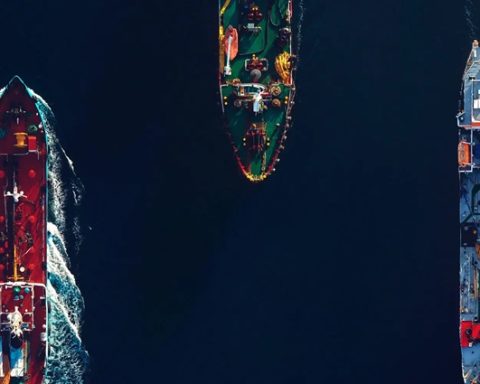
At the same time, Japan has stated that no confirmed cases of fentanyl trafficking through its territory have been identified, noting that customs authorities have not seized the drug in recent years. Despite this, U.S. and Japanese officials have moved to strengthen cooperation, with the DEA and Japan Coast Guard signing a new agreement to improve maritime information sharing and disrupt trafficking routes. American officials have described fentanyl as a severe public health threat, with Washington intensifying international pressure on suspected supply chains, while Japanese authorities emphasize the need for broader global coordination to address increasingly complex and decentralized drug trafficking networks.