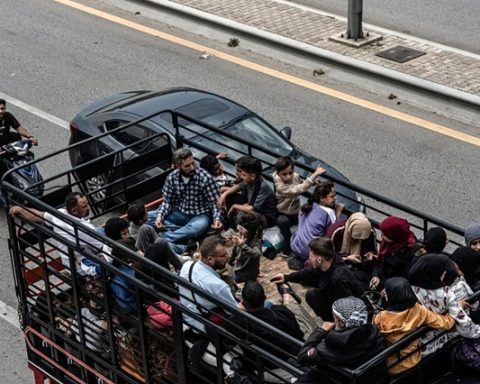
Lebanon’s parliament has elected Army Commander Joseph Aoun as the country’s new president, concluding a two-year political impasse that left the presidency vacant since October 2022. The historic vote, held on Thursday, marks a turning point for Lebanon, which has faced severe political divisions and an arduous recovery from a 14-month war with Israel.
Joseph Aoun, widely regarded as the preferred candidate of the United States and Saudi Arabia, garnered 99 votes in the 13th parliamentary session, exceeding the two-thirds majority required. The election came after weeks of international pressure on Lebanese lawmakers to secure leadership capable of addressing the country’s pressing reconstruction and defense challenges.
In his victory speech, Aoun pledged to focus on rebuilding war-ravaged regions in southern Lebanon and Beirut’s suburbs. He emphasized the importance of strengthening the state’s authority over arms and vowed to enforce a ceasefire with Israel, which includes the withdrawal of both Israeli and Hezbollah forces from southern Lebanon.
“My pledge is to ensure the Lebanese state has exclusive control over defense and arms,” Aoun stated, alluding to the need to curtail Hezbollah’s substantial arsenal. He also highlighted plans to develop a comprehensive defense strategy to remove Israeli forces and prevent future aggression.
The election underscores the waning domestic influence of Hezbollah, which had long opposed Aoun’s candidacy. However, growing international and local pressures left the Iran-backed group with limited options. Amal Movement, Hezbollah’s Shiite ally led by Parliament Speaker Nabih Berri, eventually lent its support to Aoun after initial resistance.
Analysts suggest that Hezbollah’s participation in the contentious 14-month war and the resulting economic strain forced the group to compromise. “They couldn’t afford to derail the process, especially given the challenges facing their community after the war,” said Sami Atallah, director of the Beirut-based Policy Initiative think tank.
Aoun’s ascent was largely facilitated by foreign powers. The United States, Saudi Arabia, and France played pivotal roles in persuading rival political factions to back the army chief. Traditional supporters of Lebanon’s reconstruction, such as Saudi Arabia, had indicated that financial aid would hinge on electing a president capable of stabilizing the nation.
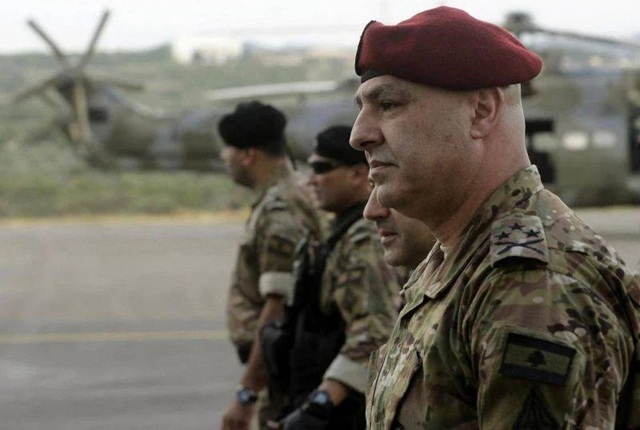
Joseph Aoun, a seven-year veteran of the Lebanese army’s leadership, brings extensive military expertise to the presidency. Trained in military academies in the United States and Syria, he previously commanded the southern brigade on the border with Israel and led campaigns against ISIS and other militant groups on the Syrian frontier.
The new president’s broad coalition of support includes backing from the Maronite Lebanese Forces party and Nabih Berri’s moderate Shiite faction.
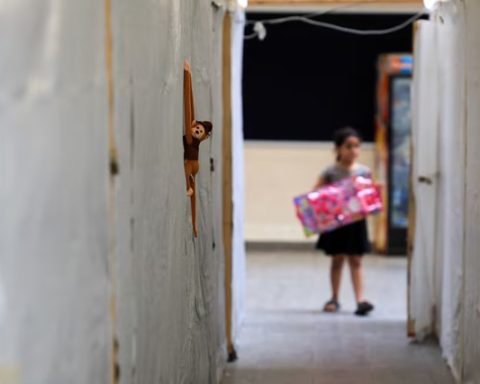
Aoun’s presidency opens a new chapter for Lebanon, but the challenges remain daunting. Rebuilding war-torn regions, ensuring adherence to the ceasefire, and addressing economic woes will require both domestic cooperation and international assistance.
“Today, a new phase in Lebanon’s history begins,” Aoun declared, expressing hope for unity and recovery in the years ahead.