Private off-market transactions are becoming an increasingly significant feature of Spain’s luxury real estate sector, where multimillion-euro properties are sold discreetly to carefully vetted buyers. Driven by demands for privacy from wealthy individuals and public figures, the practice is reshaping how high-end homes change hands while keeping sellers, buyers and even the properties themselves largely out of public view.
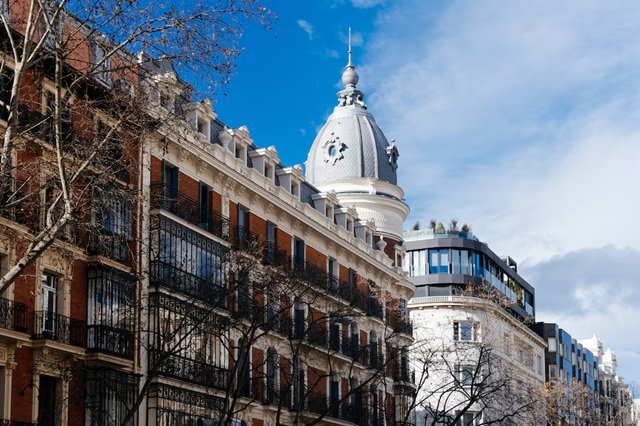
A 500-square-metre home in Madrid’s Almagro neighbourhood, in the Chamberí district, was recently sold for €4 million. The transaction attracted little public attention because the property was never listed on real estate portals, and the identities of both the buyer and seller remain confidential under contractual agreements.
As reported by El País, the seller was “a very well-known figure from the worlds of culture and television”, according to Manuel Garzón, Director of the Major Clients Department at luxury estate agency Gilmar. The sale was conducted entirely through what is known as the off-market channel, a restricted segment of the property market where homes are marketed privately rather than through conventional public listings.
Garzón explained that the property was offered exclusively to pre-selected buyers who had already demonstrated genuine purchasing capacity. This approach significantly reduced the number of viewings, prevented unnecessary curiosity from prospective visitors and protected the seller’s privacy throughout the process.
Off-market transactions have become increasingly common among owners who wish to avoid public exposure. These typically include international business executives, wealthy entrepreneurs, family investment companies, professional athletes and well-known public figures. Beyond protecting their identities, many also seek to prevent the exact location of their homes from becoming public knowledge or photographs of their properties circulating freely online.
Álvaro González de La-Hoz, Chief Executive Officer of Spain Sotheby’s International Realty, says these clients generally fall within the categories of High Net Worth Individuals (HNWI) or Ultra High Net Worth Individuals (UHNWI), reflecting people with substantial or exceptionally large personal wealth.
Although discreet property transactions have long existed within the luxury sector, industry executives say their importance has grown considerably over the past five years. González de La-Hoz estimates that between 20% and 30% of his firm’s highest-value transactions in 2025 were completed without ever being advertised on property portals. Five years earlier, he says, off-market sales were far less common and were generally limited to a much narrower group of clients.
Several factors have contributed to this growth. Increasing demand for confidentiality, expanding private wealth, greater international mobility among affluent buyers and limited availability of prime residential properties in sought-after locations have all encouraged the use of private sales channels. While sellers potentially reduce the number of prospective buyers and may forgo competing offers, González de La-Hoz argues that, for many clients, preserving privacy is considered just as valuable as achieving the highest possible financial return.
Paloma Pérez Bravo, Chief Executive Officer of luxury property firm Dils Lucas Fox, believes that the more unique a property is and the greater the public profile or personal wealth of its owner, the more likely it is to be marketed privately. Around half of the firm’s transactions either begin or are conducted outside public marketing channels.
According to Pérez Bravo, off-market sales have evolved significantly from an informal network based largely on personal relationships into a highly professional system supported by sophisticated databases, rigorous client screening and strict control over confidential information. Growing international demand has further strengthened these networks, particularly as overseas buyers bring expectations developed in other established luxury markets.
She notes that in countries such as the United Kingdom, off-market property sales are considered standard practice, and international clients increasingly expect the same approach when purchasing homes in Spain.
Price alone does not determine whether a property is marketed privately, although off-market transactions typically involve high-value assets. Juan Luis Sáez, General Manager of The Avenue Select Real Estate, says properties generally begin at around €1.5 million, with transactions reaching €12 million or €14 million. At his company, which specialises in luxury residential and investment properties, approximately 35% of transactions are conducted off market.
For ultra-luxury properties valued at €10 million, €20 million or more, Pérez Bravo says private marketing has become the norm rather than the exception.
The properties involved are usually highly distinctive assets, including large seafront villas, historic estates, exceptional penthouses, entire residential buildings, homes with significant heritage value and residences owned by prominent business figures, well-known families or international clients. They may also contain valuable works of art, private collections or other features that owners prefer not to expose publicly. Premium apartments within branded residences linked to luxury hotel groups or fashion brands are also commonly introduced first to carefully selected private client lists.
The practice is particularly well established in Spain’s principal luxury property markets. Madrid remains a leading centre, especially districts such as Salamanca, Chamberí and Justicia. Elsewhere, Marbella and the Costa del Sol dominate private luxury transactions, particularly in areas including the Golden Mile, Sierra Blanca, Puerto Banús, La Zagaleta and Sotogrande.
At Gilmar, Garzón says off-market transactions continue to expand alongside the broader growth of Spain’s luxury housing sector. They have increased from 8% of the firm’s transactions in 2025 to 10% today, with the average property sold privately valued at approximately €5 million.
The process itself differs substantially from a traditional property sale. Estate agencies work with a carefully limited pool of pre-qualified buyers whose financial standing and purchasing intentions have already been assessed.
Sáez explains that agencies examine buyers’ financial capacity, the origin of funds where appropriate, their genuine interest in the property, the expected purchase timetable and whether the property matches their requirements. This reduces unnecessary negotiations while preserving confidentiality for both parties throughout the transaction.
Managing information is central to the off-market process. Rather than concealing a property entirely, agencies release information gradually as prospective buyers pass successive stages of verification.
Pérez Bravo describes one transaction involving a unique coastal property that was initially introduced through an international network of clients and wealth advisers using what she calls a “blind teaser”. The initial presentation contained neither the property’s exact address nor photographs capable of identifying its location. Only after buyers’ profiles, financial resources and genuine interest had been verified were they granted access to the complete documentation and invited to visit the property.
Meetings associated with these transactions frequently involve estate agents, sellers and buyers alongside lawyers, tax advisers, private banking specialists, architects, technical consultants or wealth managers, depending on the complexity of the sale.
According to González de La-Hoz, many viewings take place only after confidentiality agreements have been signed and only for buyers whose financial capacity has already been confirmed. Pérez Bravo adds that particularly sensitive transactions may also restrict the use of mobile phones and photography during visits, while agencies maintain detailed records of everyone granted access to confidential documents.
Despite the secrecy surrounding these sales, industry figures emphasise that private marketing does not automatically increase a property’s value. As El País reports, pricing continues to be determined by the same factors that shape the broader luxury market: location, quality and the unique characteristics of each individual property. In an increasingly privacy-conscious market, confidentiality itself has become a defining feature of how Spain’s most exclusive homes are bought and sold.