


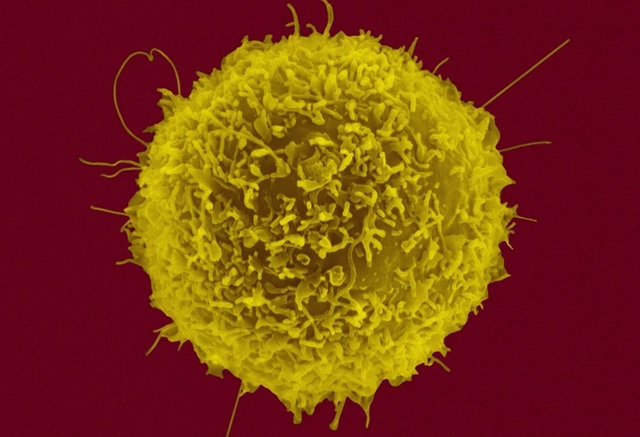
A groundbreaking study mapping immune cells in more than 400 Chinese adults has uncovered critical differences in immune function between populations, offering new insights for personalized medicine and drug development. Published in Science, the Chinese Immune Multi-Omics Atlas (CIMA) combines genetic, proteomic, RNA, and epigenetic data to provide a comprehensive view of immune-cell behavior in this cohort. The research highlights variations that would have been missed in European-centric studies, according to the authors, who told Nature that the atlas complements other Asian data sets, such as Japan’s ImmuNexUT project.
The study analyzed over 10 million immune cells from 428 healthy adults, integrating multi-omics profiles including metabolites, blood biochemical markers, chromatin accessibility, and gene-expression patterns. Comparing this data to European and Japanese cohorts revealed that while core immune pathways and cell types are largely conserved, significant differences exist in genetic regulation and immune-cell states. For instance, regulatory targets in the Chinese cohort overlapped more than 93% with Japanese data but only about 44% with European data, highlighting ancestry-specific immune mechanisms. One striking example is the rs11886530 gene variant, common in East Asians but rare in Europeans, which was found to regulate circadian-clock genes in T cells—a mechanism not previously observed in immune cells.
CIMA also examined age- and sex-related immune variations. Older participants showed higher levels of inflammatory white blood cells and altered gene expression in dendritic cells, which play a central role in coordinating immune responses. These findings provide crucial context for understanding how immune function changes across the lifespan and between sexes, information that could inform tailored therapies and vaccine strategies.
Experts emphasize the atlas’s clinical significance. Kay Chung, an immunologist at the University of North Carolina School of Medicine, told Nature that the resource could be instrumental in developing population-specific treatments and monitoring drug interactions that might otherwise be overlooked in studies focusing on European populations.
By revealing previously hidden layers of immune-cell diversity, the CIMA project underscores the importance of including diverse populations in biomedical research. The atlas not only provides a valuable reference for scientists and clinicians but also sets a precedent for how multi-omic studies can illuminate the subtle yet crucial ways human biology varies across ancestries.









