


San Francisco police have arrested a 20-year-old man accused of throwing a Molotov cocktail at the home of OpenAI chief executive Sam Altman and later issuing threats outside the company’s headquarters, in an incident that has intensified concerns over the safety of high-profile technology executives amid growing public anxiety about artificial intelligence. The AI company confirmed the arrest on Friday, stating that the suspect was taken into custody following two related incidents in the city. The episode has since drawn global attention after Altman broke his silence with a rare personal statement and an image of his family, signaling both shock and a plea for restraint in an increasingly charged atmosphere.
According to details shared by the San Francisco Police Department, the first incident occurred at approximately 4:12 am at a residence in the North Beach area where an unknown male allegedly threw an incendiary device at the property. The device reportedly caused fire damage to the exterior gate of the building before the suspect fled the scene on foot. Authorities described the attack as sudden and targeted, prompting an immediate investigation into the identity and movements of the individual involved. While no injuries were reported at the residence, the use of an incendiary device marked a serious escalation in threats directed toward public figures in the technology sector.
Less than an hour later, at approximately 5:07 am, officers were called to a business location on the 1400 block of 3rd Street after reports of a man threatening to burn down the building. Police said that upon arrival, officers recognized the individual as the same suspect linked to the earlier North Beach incident. He was immediately detained at the scene without further escalation. The swift identification and response by officers connected the two incidents, leading to the suspect’s arrest on suspicion of carrying out both the attack and subsequent threats. Officials have not yet disclosed the specific evidence that established probable cause for the arrest, noting that the investigation remains ongoing.
The San Francisco Police Department has not released additional details about the suspect’s motives or background, but confirmed that inquiries are continuing as investigators work to determine whether the two incidents were premeditated acts targeting specific individuals or locations. Law enforcement sources emphasized that the early morning timing and coordinated nature of the events were being carefully examined. The department’s public statement underscored that while the suspect had been apprehended, the broader context of the case required further scrutiny before conclusions could be drawn about intent or possible affiliations.
OpenAI also confirmed the attack on Sam Altman’s residence and the threats directed at its San Francisco headquarters. A spokesperson for the company stated that no employees or residents were harmed during the incidents and expressed gratitude for the rapid response by law enforcement. The company added that it was cooperating fully with authorities as part of the ongoing investigation. The statement highlighted concern within the organization but also reassurance that immediate safety risks had been contained, even as the implications of the attack continued to reverberate through the tech community.
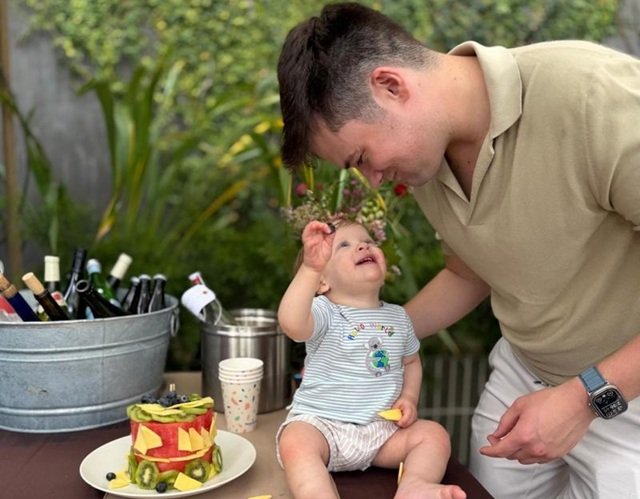
Hours after the incident, Altman issued a rare and deeply personal public response, sharing a photograph of his family, including his partner and child, in a post on social media platform X. In accompanying remarks, he described his decision to break the company’s usual preference for privacy as intentional, stating that he hoped the image would discourage future attacks. He wrote that his family meant more to him than anything and suggested that visibility might act as a deterrent to individuals contemplating violence. The post marked an unusual departure for the OpenAI chief, who is typically known for maintaining a low profile regarding his personal life.
Altman also reflected on the emotional impact of the attack, noting that the incendiary device had reportedly “bounced off” the property and caused no injuries. In a longer written statement, he acknowledged that while he had previously dismissed concerns about hostile rhetoric, the incident had forced him to reconsider the influence of public narratives. He described being awake in the middle of the night, angered and unsettled, and suggested that he may have underestimated the role that language and media framing can play in shaping real-world actions. His remarks pointed to a broader unease about how public discourse surrounding artificial intelligence figures can escalate beyond debate into personal danger.
The incident occurred against a backdrop of heightened scrutiny of Altman and the wider artificial intelligence industry. As CEO of OpenAI, he has become one of the most visible figures in a rapidly evolving technological landscape that has sparked both enthusiasm and fear. AI systems are increasingly being integrated into workplaces and institutions, but concerns persist about their potential to disrupt employment patterns, reshape industries, and bring about irreversible societal change. These anxieties have placed technology leaders at the center of intense public debate, sometimes accompanied by polarized reactions.
In addition to public scrutiny, OpenAI has recently faced political and regulatory pressure. The company has been criticized following reports of a deal involving the United States government that would allow its technology to be used in classified military operations. While details remain limited, the development has fueled further discussion about the role of artificial intelligence in national security and warfare, adding another layer of complexity to the public perception of the company. The convergence of political controversy, societal anxiety, and the high visibility of its leadership has placed OpenAI under unprecedented attention.









