Hours after U.S. President Donald Trump ordered a direct military strike on Iran’s Fordow nuclear facility, the world stands on the edge of a dangerous precipice. This unprecedented attack, carried out in the early hours of last night, marks a significant escalation in the confrontation between Washington and Tehran, reigniting fears of a broader regional—if not global—conflict.
According to Iranian state media, the American strike targeted the entrance to the Fordow nuclear enrichment site, located tens of metres underground. Despite the dramatic nature of the attack, the damage appears to be minimal. Iranian officials have described the assault as a “symbolic operation” with limited strategic impact. The Atomic Energy Organisation of Iran is expected to issue a full technical statement, but preliminary reports suggest that key centrifuges had already been removed from the Fordow and Natanz sites prior to the attack. The Iranian government further emphasised that the deep-underground design of these facilities—developed over years of indigenous scientific expertise—had effectively neutralised any attempt to deliver a crippling blow.
This act of aggression is not only a military miscalculation but also a profound political one. The U.S. administration, under Trump’s leadership, appears to have lost its strategic bearings. By resorting to force, Washington has exposed its frustration and strategic impasse. What this attack truly represents is a failure of diplomacy, a betrayal of international norms, and a dangerous gamble rooted in outdated imperial thinking. Trump, increasingly beholden to Israeli Prime Minister Benjamin Netanyahu, has allowed the Zionist regime’s narrow interests to dictate a course that risks global war. The world is now witnessing how the ambitions of a declining empire can drag the international system into chaos.
The media landscape surrounding the strike further reveals a coordinated attempt to control the narrative. Western outlets—including CNN and Reuters—have underreported or downplayed Iran’s defensive capabilities and the limited damage incurred. In contrast, resistance-aligned media such as Al Mayadeen, Press TV, and Tasnim News have provided footage, satellite analysis, and expert interviews, revealing the superficial nature of the attack. Israeli media, which initially broadcast images from Tel Aviv and Haifa, has since restricted coverage—a move analysts interpret as an effort to conceal the psychological and infrastructural damage inflicted by earlier Iranian missile strikes.
More crucially, this moment exposes the deeper ideological battle at play. Washington and Tel Aviv are not merely targeting Iran’s nuclear infrastructure—they are targeting the very notion of Iranian sovereignty, independence, and civilisational identity. For decades, the U.S. has tolerated or ignored nuclear weapons held by regimes such as Israel and India. Yet Iran, which has consistently emphasised the peaceful nature of its nuclear programme—and whose Supreme Leader has issued religious rulings against weapons of mass destruction—remains the subject of relentless pressure and threats.
This double standard exposes the true motive: not non-proliferation, but domination. Iran stands as a civilisational alternative to Western liberal hegemony, particularly in the post-Cold War era. Its resistance model has inspired popular movements across West Asia and beyond. Today, despite brutal sanctions, sabotage, and assassination campaigns, Iran remains defiant—stronger, more resilient, and more unified.
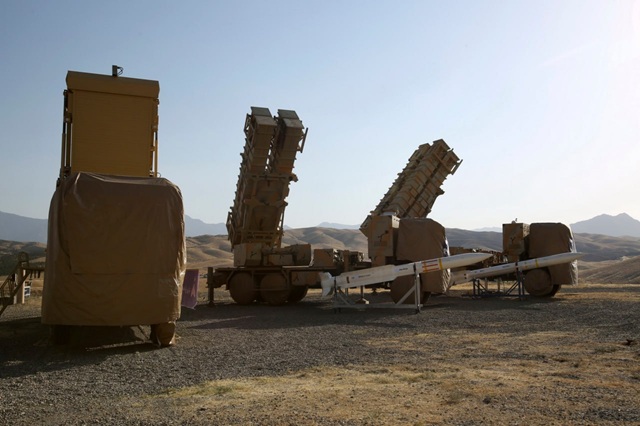
Indeed, one of the unintended consequences of the American-Israeli aggression is the strengthening of Iran’s internal unity. Where once some questioned Iran’s regional alliances, many now recognise their strategic depth. It is clear why Iran built partnerships with Hezbollah, the Popular Mobilisation Forces in Iraq, and other resistance groups: to keep the battle outside its borders and to prepare for precisely this moment. Iran has yet to request support from these allies, has not activated its naval forces in the Strait of Hormuz, and has not called on China, Russia, or Pakistan for direct intervention. Yet all these options remain on the table. This calculated restraint underscores Iran’s confidence and its desire to demonstrate that it can confront Israel independently.
However, should the U.S. persist in its aggression, it is likely that Iran’s allies will respond. A wider conflict could draw in China and Russia, both of which have signalled support for Iran’s right to defend itself. Pakistan has openly declared that it will not stand idly by if Iran is attacked. What we are witnessing may very well be the beginning of a war that accelerates the decline of American unipolarity and ushers in a truly multipolar world.
This is not merely a battle between two states; it is a confrontation between two visions of world order—one rooted in hegemony and coercion, the other in resistance, dignity, and sovereignty. And tonight, from the heart of Tehran, the voice of that resistance is being heard loud and clear.
Views expressed are personal