by Our Correspondent in Colombo
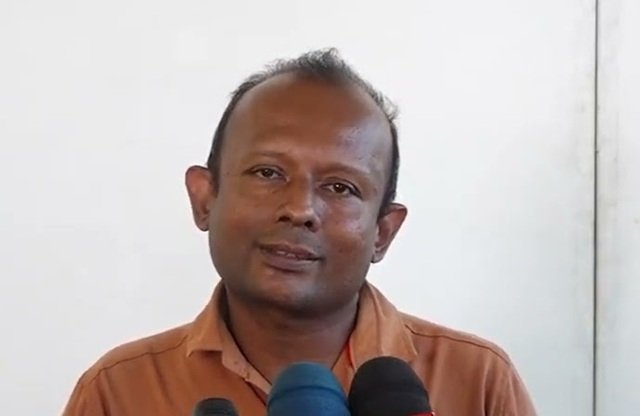
The Frontline Socialist Party (FSP) has rejected reports that it could enter into a political accommodation with the government led by President Anura Kumara Dissanayake, with senior party figure Pubudu Jagoda telling the Sri Lanka Guardian that his party would instead prefer to align with former President Ranil Wickremesinghe and the United National Party (UNP) if the reported proposal were genuine.
“If that news is true, we would rather join UNP’s Ranil Wickremesinghe and the Sri Lanka Podujana Peramuna rather than going for a political cohabitation with current government of Anura Kumara Dissanayake’s JVP,” Jagoda said, responding to reports circulating in certain media outlets.
His comments represent a significant rejection of any suggestion that the FSP could move towards cooperation with the political forces now controlling the government. The FSP has historically occupied a position to the left of the mainstream parliamentary parties and has maintained a critical stance towards the JVP-led political establishment.
The FSP emerged in 2012 following a major internal rupture within the Janatha Vimukthi Peramuna (JVP). Premakumar Gunaratnam, a former JVP figure, and a group of dissidents broke away from the party and established the Frontline Socialist Party. Jagoda was among the JVP dissidents who supported Gunaratnam during the split.
Jagoda subsequently became one of the FSP’s prominent public figures. He has served in senior organisational and communications roles and is currently identified in recent reporting as an Education Secretary and central committee member of the party. In May 2026, he was reported as having filed a writ petition in his capacity as an FSP central committee member, demonstrating his continuing involvement in the party’s political and legal activities.
The FSP’s political relationship with the JVP has therefore been shaped by the history of that split. Although both emerged from Sri Lanka’s Marxist political tradition, the FSP developed as an independent organisation with its own political programme and has repeatedly criticised the JVP and the National People’s Power (NPP), the broader political alliance through which Dissanayake came to power.
Jagoda has previously expressed strong reservations about cooperation with established political parties. During the 2022 political crisis, for example, he argued that the country required a fundamental restructuring of its political system rather than merely replacing one administration with another. The FSP called for the establishment of Jana Sabhas and a National People’s Council and argued against retaining the executive presidency.
His latest remarks are similarly uncompromising. Jagoda told the Sri Lanka Guardian that the government was deteriorating “day by day” and said his party had no desire to strengthen an administration that, in his assessment, had betrayed the aspirations of the people.
“The governing is being crumbling day by day, we do not want to go and put the jack on this government which pretty much betrayed the people’s aspiration,” Jagoda further asserted.