SpaceX’s ambitious Starship program faced another major hurdle on Tuesday as its latest test flight ended in failure, with the rocket unable to deploy its satellite payload before partially exploding during re-entry into Earth’s atmosphere.
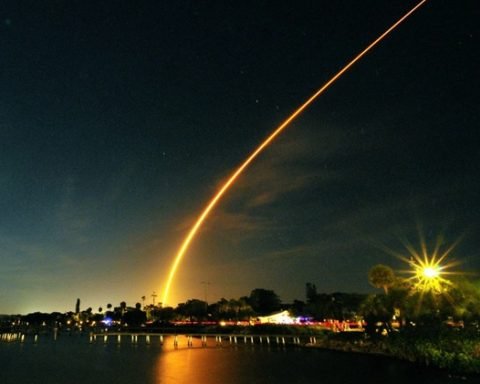
The towering 400-foot Starship successfully lifted off from SpaceX’s Starbase launch site in Texas and reached sub-orbital space, but failed to release eight mock Starlink satellites before losing control over the Indian Ocean. The upper stage of the rocket disintegrated on descent, marking the latest in a string of explosive test outcomes for the company’s next-generation launch vehicle.
“Starship experienced a rapid unscheduled disassembly,” the company confirmed in a statement following the flight. “Teams will continue to review data and work towards our next flight test.”
The booster stage, which performed a test re-entry at a steeper angle to evaluate vehicle resilience, was not recovered and crashed into the Gulf of Mexico as planned. SpaceX said the test was designed to push the limits of Starship’s systems, and founder Elon Musk later attributed the failure to a loss of pressure in the rocket’s main tank due to leaks.
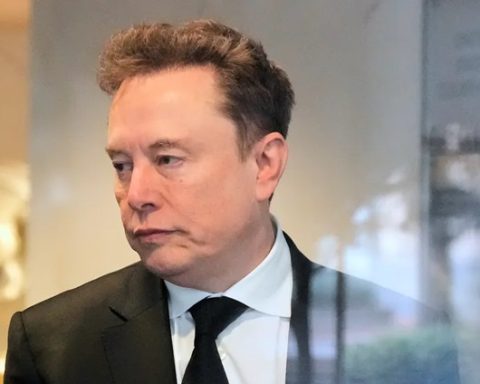
“Leaks caused loss of main tank pressure during the coast and re-entry phase. Lot of good data to review,” Musk posted on social media platform X.
The failed flight dealt a blow to SpaceX’s roadmap toward manned deep space missions. While the company has made significant progress with its Falcon 9 and Falcon Heavy rockets—completing more than 400 launches—Starship’s scale and complexity have posed persistent engineering challenges. The vehicle is central to Musk’s vision of colonizing Mars and to NASA’s Artemis mission, which includes a planned crewed lunar landing no earlier than 2027.
Tuesday’s mission had been cleared by the Federal Aviation Administration (FAA) only days earlier, following a months-long pause after earlier test failures that scattered debris over the Atlantic Ocean and grounded commercial flights from Florida. SpaceX claimed to have addressed all corrective actions required by regulators.
Despite mounting pressure and technical setbacks, Musk remains focused on his broader spacefaring goals. Scheduled to give an update later Tuesday on the company’s Mars ambitions, Musk has repeatedly emphasized the importance of making humanity “multiplanetary,” envisioning a self-sustaining Martian city within two decades.
“Being multiplanetary will vastly increase the probable lifespan of consciousness,” Musk previously wrote, “as we will no longer have all our eggs, literally and metabolically, on one planet.”
However, the billionaire entrepreneur has faced increasing scrutiny over his political activities and leadership distractions. A major donor to Donald Trump’s 2024 campaign, Musk has recently pledged to recommit to his business ventures, including Tesla and SpaceX, following shareholder backlash.
With uncrewed Starship missions to Mars tentatively planned for next year and a tight timeline for NASA’s lunar aspirations, the company must overcome formidable technical and regulatory challenges to stay on track. Tuesday’s failure underscores the volatile nature of cutting-edge space exploration—and the high stakes of Musk’s interplanetary ambitions.