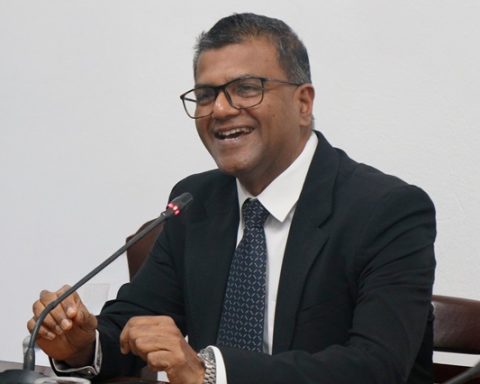
Sri Lanka’s government is facing intensifying criticism for what many observers describe as a defiant and dismissive response to corruption allegations against Energy Minister Kumara Jayakody, choosing to keep him in power despite a formal indictment and growing public pressure for his removal. The decision has sparked accusations of arrogance and a troubling indifference to democratic norms, particularly from civil society groups and political opponents.
The controversy centers on charges filed at the Colombo High Court, where Jayakody stands accused of causing a financial loss of Rs. 8.8 million to the state during his time at the Fertilizer Corporation in 2016. He was granted bail on March 26, with two personal sureties of Rs. 1 million each. Yet, even as the legal case proceeds, the government has made it clear that it has no intention of asking him to step down or removing him from his post.
Senior officials have justified this position in overtly political terms. Within government circles, there is a prevailing belief that any move to force Jayakody’s resignation would be perceived as a victory for the opposition. This calculation has drawn sharp criticism, with analysts arguing that it reflects a willingness to prioritize political optics over principles of accountability and good governance.
At a cabinet press briefing on March 31, Minister Nalinda Jayatissa confirmed that Jayakody would continue to serve and that no cabinet decision had been taken regarding his status. The response, seen by many as curt and unyielding, has reinforced perceptions that the administration is unwilling to engage meaningfully with public concerns or ethical expectations.
Critics say the government’s stance sends a dangerous message about the standards expected of those in power. The Centre for Policy Alternatives warned that allowing an indicted minister to remain in office could undermine the independence of anti-corruption institutions and weaken public trust. The organization stressed that public officials must demonstrate integrity, particularly when facing serious allegations, and called for immediate corrective action.
Public reaction has been swift and increasingly vocal. Even individuals aligned with the ruling coalition have taken to social media to express discomfort and frustration, urging the minister to step aside at least until the conclusion of the trial. For many, the issue is not merely legal but symbolic, reflecting broader concerns about transparency and ethical leadership.
The administration led by President Anura Kumara Dissanayake came to power under the banner of reform, promising to dismantle a culture of corruption and impunity. Backed by the National People’s Power coalition, the government pledged to uphold accountability and restore confidence in public institutions. However, its handling of the Jayakody case is now being viewed as a stark contradiction of those commitments.
Further complicating matters are allegations of irregularities in coal procurement linked to the energy sector under Jayakody’s watch. Although separate from the current indictment, these claims have amplified concerns about governance at a time when the country continues to struggle with an energy crisis. Observers warn that such controversies risk deepening public distrust and damaging the credibility of the administration’s reform agenda.
The political fallout is expected to escalate in the coming days. A no-confidence motion against Jayakody is scheduled to be debated in Parliament on April 10, setting the stage for a high-stakes confrontation. Meanwhile, the High Court case is due to resume on May 6, ensuring that both legal and political pressures will continue to mount.