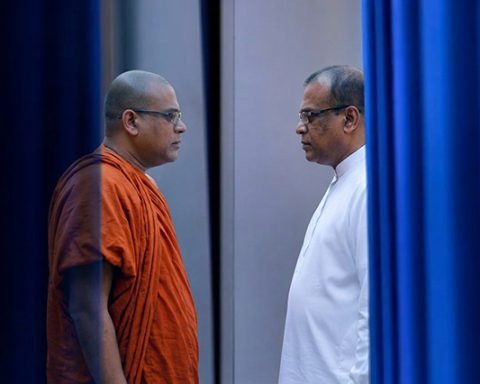
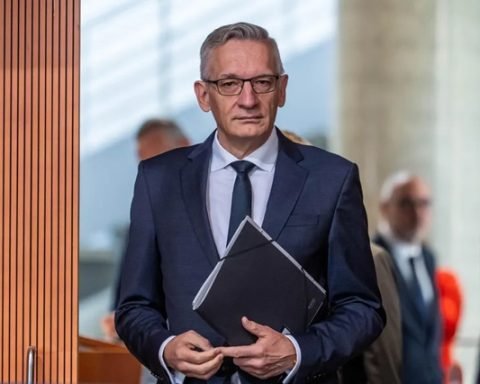
United Republic Front leader Patali Champika Ranawaka has intensified criticism of the controversial coal tender, claiming that Sri Lanka is losing two gigawatt hours of power every day due to the import of substandard coal for the Lakvijaya Power Plant in Norochcholai. Speaking at a press conference on the matter, Ranawaka said the financial impact of the loss is almost double the fine expected to be imposed on the company involved, further deepening concerns about the country’s energy procurement and oversight.
The issue escalated after Sri Lanka Podujana Peramuna MP D.V. Chanaka revealed in Parliament that the country had incurred losses nearing one billion rupees due to the coal imports, which were reportedly of inferior quality. His statement triggered widespread controversy and raised questions about accountability within the tender process. The alleged losses have become a major political and economic flashpoint, particularly as Sri Lanka continues to face serious energy challenges.
The Ministry of Energy has responded by stating that the quality inspection report from the landing port has not yet been released, making it impossible to provide a definitive assessment of the coal’s quality. This has fueled uncertainty and added a layer of bureaucratic delay to an already politically charged situation. Energy Minister Engineer Kumara Jayakody has previously indicated that if the coal is confirmed to be substandard, the company could face penalties.
Amid these developments, the government confirmed yesterday that the coal in question is indeed substandard. Cabinet Spokesperson and Minister of Health Dr. Nalinda Jayatissa announced this conclusion, heightening pressure on the authorities to take decisive action. The confirmation has amplified calls for transparency and accountability, as opposition parties and civil society groups demand a full investigation into the tender process and the parties responsible for the procurement.
As the controversy grows, the public is left questioning how such a procurement failure could have occurred, and whether the penalties being discussed are sufficient to address the economic and energy losses caused by the scandal. The unfolding situation is likely to have lasting political repercussions, as Sri Lanka continues to grapple with energy security and governance challenges.