


Human DNA can survive for thousands of years on the walls of prehistoric caves, even where no human bones or other biological remains have been found, according to an international research project
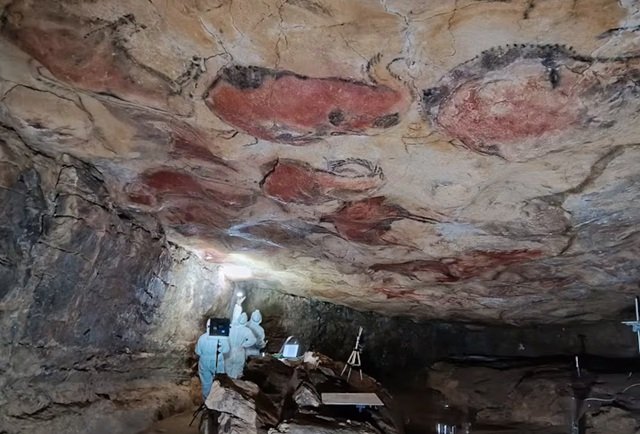
Human DNA can survive for thousands of years on the walls of prehistoric caves, even where no human bones or other biological remains have been found, according to an international research project

This interview traces Professor Jayadeva Uyangoda’s journey from JVP revolutionary to political scientist, examining his early experiences of poverty, caste and inequality, his role in the 1971 uprising, imprisonment at Welikada, and the intellectual transformation that followed. Reflecting on the
A remarkable archaeological discovery in Austria is forcing a reassessment of the scale of Iron Age iron production and trade in Central Europe. The
Millions of people are being taught to search for their “purpose” as if it were a hidden object waiting to be discovered inside themselves.

The United States is a nation of extraordinary wealth and extraordinary contradiction. Tens of millions of Americans live in material insecurity, while aggregate wealth continues to expand. Institutional trust remains fragile, and the
More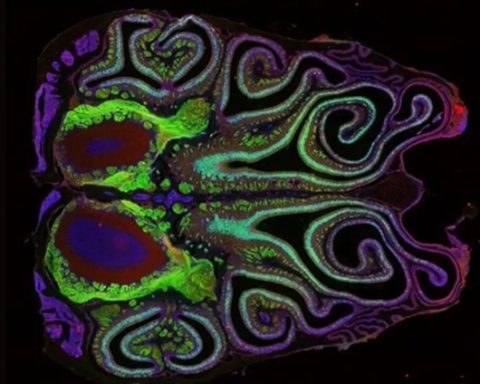
Researchers in the United States have created the first detailed map of smell receptors inside the nose. Published Tuesday in the journal Cell, the study marks a major step forward in olfaction
More
For nearly a decade, Finland has topped global happiness rankings, yet its people remain puzzled by the label. While international observers search for a secret formula, Finns themselves tend to shrug off
More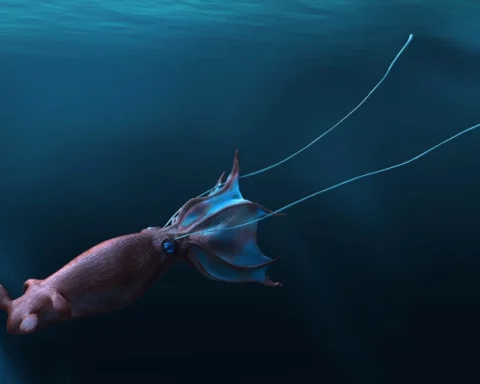
Ancient oceans may have been dominated not only by fearsome marine reptiles but also by colossal octopus-like creatures, according to new research published in Nature. Scientists studying fossilized jaws have identified extinct
More
Race is a social construct used to categorize humans into groups based on shared physical traits (such as skin colour, hair texture, or facial features) or ancestry. Modern science views race as
More
“Language can become a screen which stands between the thinker and reality. This is the reason why true creativity often starts where language ends.” — Arthur Koestler, The Act of Creation Last
More
During the two years I spent writing “American Fascists: The Christian Right and the War on America,” I encountered numerous mini-Trumps. These self-proclaimed pastors — very few had any formal religious training
More
Changing one’s mind is often treated as a weakness in public debate, yet psychologists increasingly argue it may be one of the most valuable cognitive skills we possess. In an analysis published
More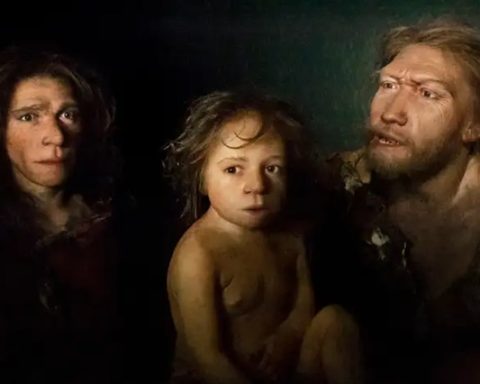
A Neanderthal infant skeleton described in research highlighted by New Scientist has revealed that our ancient relatives may have started life significantly larger and grown far more rapidly than modern human babies.
More
Standing in the dust of Çatalhöyük—a 9,000-year-old Neolithic site known to archaeology since the 1960s, yet virtually non-existent in discussions about political science and law—a question haunted me: “How come no one told
More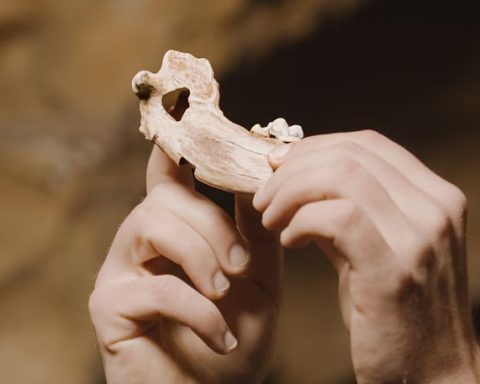
On a volcanic plateau in central Anatolia, Turkey, some 15,800 years ago, a female dog gave birth to a litter of puppies. The young pups did not survive long, possibly only a
More
Humans have long considered themselves separate from the rest of the natural world, a view embedded in philosophy, religion, and modern science. Yet emerging research is challenging this assumption, revealing that the
More
When we think of premodern governance, we often default to an image of concentrated authority: imposing rulers presiding over intricately layered hierarchies—pharaohs, emperors, and kings whose power seemed inseparable from the territorial
More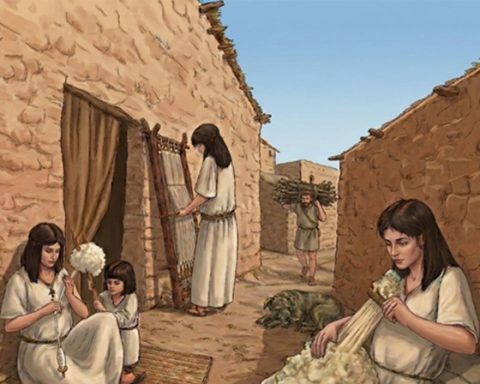
Archaeologists working in south-eastern Spain have uncovered rare evidence that sheds new light on how textiles were produced more than three millennia ago. The discovery of charred wooden timbers, plant-fiber ropes, and
More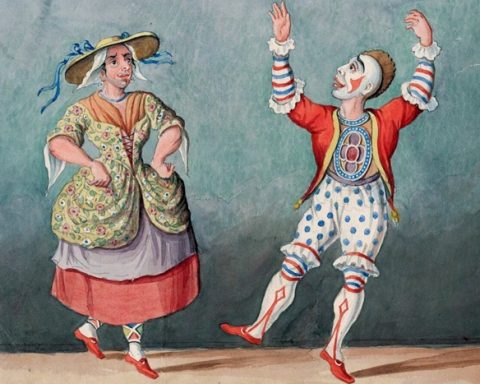
Few biographers have proved so reluctant, but when the raw materials that would become The Memoirs of Joseph Grimaldi reached Charles Dickens’ desk in the autumn of 1837, he was far from impressed. “I
More